Stop Guessing, Start Pacing: Smarter Airbnb Pricing Strategies

Want to outperform the market? Freewyld Foundry’s Revenue & Pricing Management service is driving an 18% performance lift for $1M+ STR operators, even in down markets. If you’re managing 10+ listings and want a free pricing audit, apply here: apply here
In this episode of Get Paid for Your Pad, Jasper Ribbers (Head of Revenue Management and co-founder at Freewyld Foundry) answers the most common questions about pacing in short-term rental revenue management. He explains why last-minute pricing behaves differently in STRs than in hotels and airlines, how to measure pacing with the right KPI, and when to target pacing behind, in line with, or ahead of the market to maximize revenue.
You’ll learn:
- Why STR hosts often lower prices last minute while hotels and airlines raise them
- The core KPI for pacing, Market Penetration Index (MPI), and how to calculate it correctly
- How pickup trends reveal if your pricing is moving in the right direction
- When to pace behind, with, or ahead of the market across high, shoulder, and low season
- How pacing influences OTA visibility and portfolio momentum over time
We also talk about:
- The “last man standing” strategy during high-demand events and when it is worth the risk
- Why fragmented ownership makes managers favor certainty over premium last-minute rates
- A key caveat in tools like PriceLabs when unavailable days distort MPI
🎯 Mentioned in the Episode:
- PriceLabs for forward occupancy and pacing analysis
- Freewyld Foundry - Revenue Review for $1M+ STR portfolios
🔥 Favorite Takeaway: “Pacing is the heartbeat of revenue management. Track MPI and pickup to know if you’re behind, with, or ahead of the market, then price with intention.”
📍 Ready to dial in your pacing and pricing? Apply for a free revenue review and get a portfolio-level analysis with clear action items. Connect with Freewyld Foundry to benchmark your comp set and uncover hidden revenue.

The STR Pacing Playbook
A step-by-step guide to tracking and using pacing data to optimize your short-term rental pricing strategy.
Download Free GuideContinue Listening
Midterm Rentals with Frank Bosie: The Revenue Strategy Already Happening in Your Portfolio
Frank Bosie of Hostfully joins Jasper to break down the data behind midterm rentals, including why 39% of STR operators already have 30+ night bookings, how the occupancy math works, and when the hybrid approach beats a hard minimum-stay strategy.
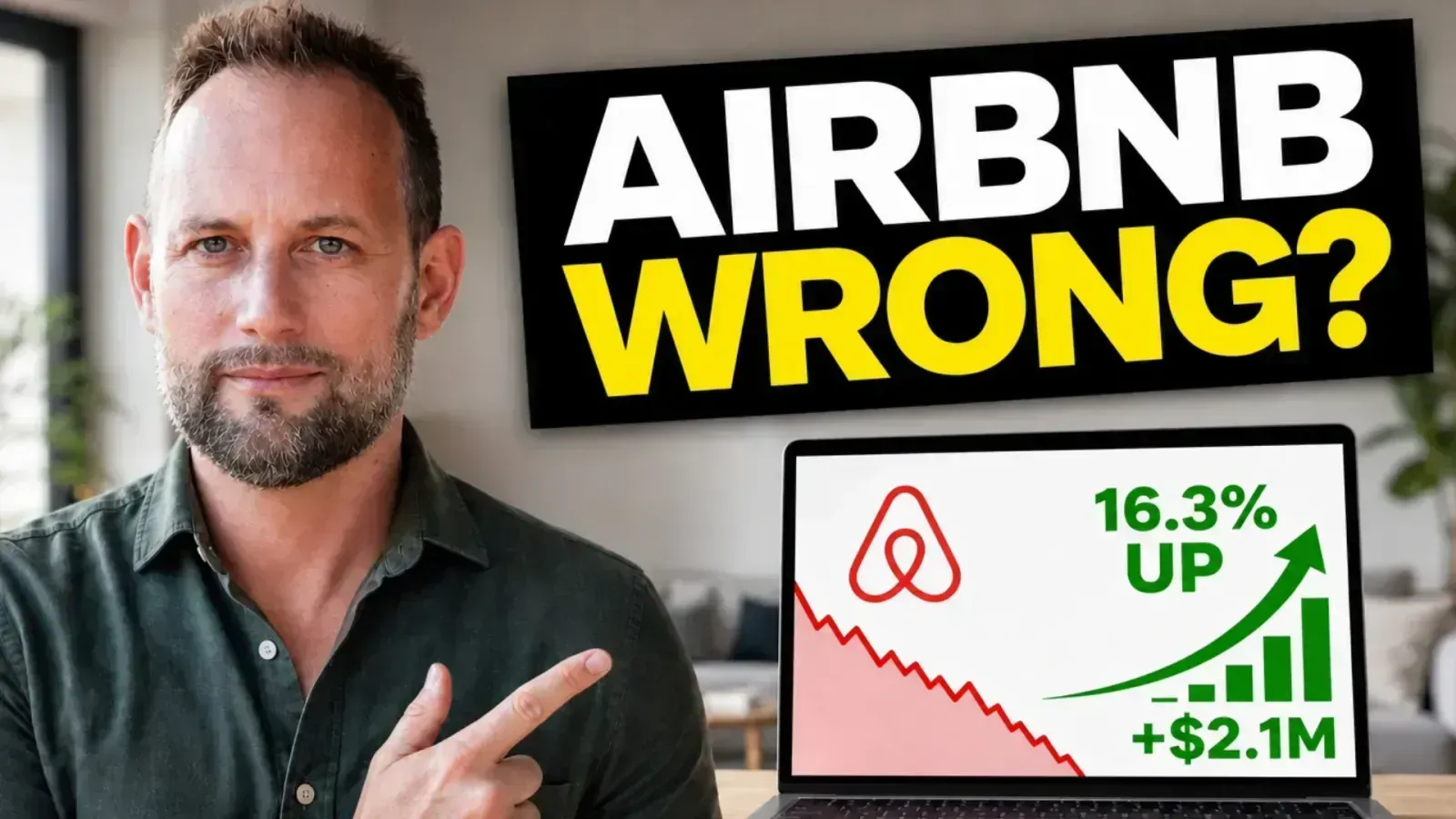
August 2026 STR Market Update: 16% Growth While the Market Declined 2.5%
Jasper shares the full August market update including July portfolio results (16.3% YoY growth vs. a 2.5% market decline, $2.1M in additional client revenue), the top winning and declining markets, the Labor Day weekend shift, Airbnb's AI pricing model and new mobile discount, VRBO sponsored listings, OTA discount stacking risk, and what operators should focus on heading into shoulder season and low season.

Secrets of a Pro STR Revenue Manager to Maximize Your Revenue
Jasper sits down with Patrick Morton, one of Freewyld Foundry's revenue managers, for an inside look at the pricing tactics, listing optimization moves, and team strategies that are moving the needle for STR operators every day.
Jasper Ribbers | Freewyld
Welcome back to Get Paid for Your Pad. This is an episode of RevUp where I share behind-the-scenes insights from working with the top hosts around the world who generate at least one million dollars in bookings. My name is Jasper Ribbers, Head of Revenue Management and co-founder of Freewyld Foundry.
In today’s episode I want to answer some of the most common questions we receive about revenue management, in particular around the concept of pacing. If you’ve been following these episodes, you know that pacing is one of the most important concepts in revenue management, but also one of the trickiest to understand.
The three main questions I will cover are: why do short-term rental hosts drop prices last minute much more than hotels and airlines, what are the best KPIs to measure pacing, and when should you pace behind, in line with, or ahead of the market.
First, why do short-term rental hosts drop prices last minute when hotels and airlines often raise theirs? I am currently in Ibiza, Spain, recording this on August 27th at the end of the high season. July and August are extremely busy here with visitors coming for the nightlife as well as the beaches. Flights and ferries to the island are very expensive and last-minute hotels are also charging high rates.
The difference comes down to inventory and risk. Airlines don’t need to sell every seat. If they sell ninety out of one hundred, that is still a success. Hotels have brand recognition that allows them to maintain higher prices. Short-term rental hosts can only sell each night once, so an empty weekend represents a major loss. Most prefer to secure a booking, even at a lower price, rather than risk no booking at all. For managers handling portfolios with different owners, the pressure to keep every unit occupied is even stronger, which leads to last-minute price drops.
Next, what are the best KPIs to measure pacing? The most useful is the Market Penetration Index, or MPI. This compares your future occupancy to the market’s occupancy. For example, if your portfolio is 30 percent booked for the next 90 days and the market is at 50 percent, your MPI is 60, which means you are pacing behind. Tools like PriceLabs help calculate this, but be aware that they sometimes count unavailable days, which can distort results. Pickup is also important, meaning the number of bookings you receive in a given period. If you are catching up faster than the market, you know your pricing is working.
When should you pace behind, with, or ahead of the market? You might pace behind when you know demand will exceed supply, such as a major event in a small town. In that case, it can be smart to hold back, let other hosts fill first, and then capture higher last-minute bookings. In high season, pacing with the market is usually best because demand is strong but not infinite. If the market is 60 percent booked and you are only 30 percent, you will be forced to discount later. In low season it often makes sense to pace ahead, being more aggressive early to secure scarce bookings and maintain momentum on the OTAs.
Pacing is the heartbeat of revenue management. By monitoring MPI and pickup closely, you can see whether you are behind, with, or ahead of the market, and adjust your pricing decisions with confidence.
If your portfolio generates over one million dollars in revenue, you can apply for a free revenue review at freewyldfoundry.com/get-started. Our team will analyze your portfolio, compare it to compsets, and give you direct recommendations on how to improve performance.
Thank you for listening and I’ll be back next Monday with another episode of RevUp.
Related Articles

Midterm Rentals for STR Operators: The Data, the Math, and How to Start
Midterm rentals are already happening in most STR portfolios. 39% of short-term rental operators have received at least one 30+ night booking. Here is the data, the occupancy math, and how to be intentional about it without abandoning your short-term rental business.
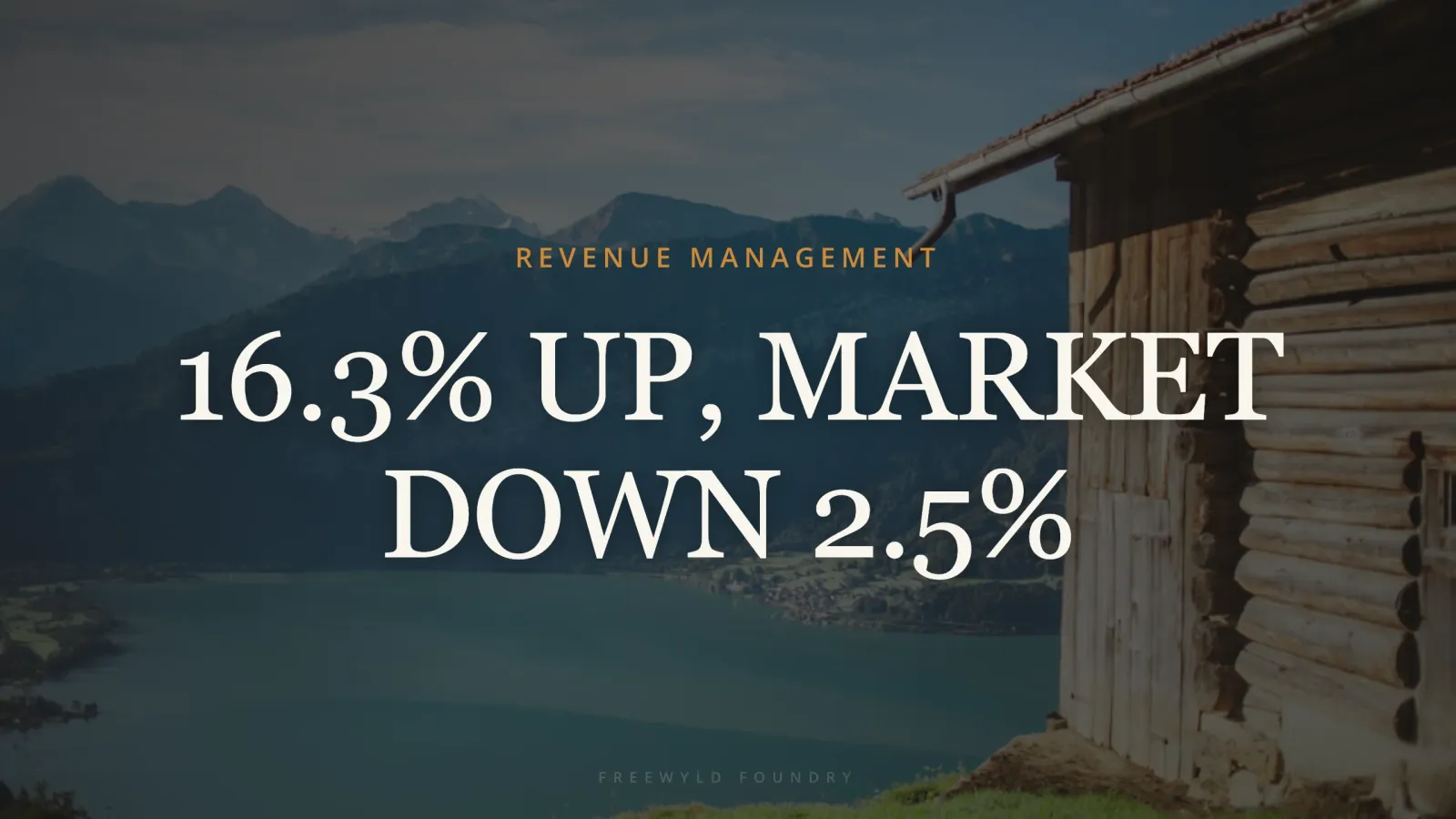
STR Market Update August 2026: 16.3% Growth While the Market Fell 2.5%
August 2026 was the highest-impact month in Freewyld Foundry history. Comparable client listings grew 16.3% year over year while the broader market fell 2.5%. Here is what drove that gap, which markets won and lost, what Airbnb and VRBO just changed, and what every STR operator should be doing right now heading into shoulder season.

How to Increase Airbnb Revenue: 5 Tactics From a Full-Time STR Revenue Manager
Most operators cap their prices, skip amenity audits, and discount when bookings slow down. A professional STR revenue manager does the opposite, and the results show it.