Every year, STR operators spend thousands of dollars on conference tickets, flights, hotels, and three days away from their business. A lot of them come back inspired but not sure what they got for the investment.
The answer to whether a conference is worth it is not a simple yes or no. It depends almost entirely on what you do before you get there.
I have been attending short-term rental conferences since 2014, starting with Airbnb Open, when the event was small enough that you could walk up to Brian Chesky after a session and introduce yourself. That has changed. But the fundamental value of conferences has not: it is about the people, not the content.
Here is what 12 years of conferences has taught me about getting the most out of them.
The Single Highest-Leverage Move: Get on Stage
If you do nothing else from this article, do this: apply to speak at the next conference you plan to attend.
Most operators assume they are not expert enough to speak. Most of the time, they are wrong. You do not need to be the biggest company or the biggest name. You need to have something worth sharing with the audience. If you have been operating for more than a year, you almost certainly do.
Being on stage changes the entire conference experience:
- You save money. Speakers typically get a free or discounted ticket. If you build up a speaker reputation, some conferences will cover your accommodation too.
- You become easier to approach. After someone sees you on stage, they come to you. The difference between approaching a stranger at a networking event and walking up to someone you just heard present is enormous.
- You get automatic credibility. The audience assumes that if the conference chose you to speak, you know something valuable. That assumption opens doors.
- You connect with other speakers. Being on the speaker list puts you in a different category. You get access to the speakers-only dinner, the green room, the pre-event briefings. That is where a lot of the real conversations happen.
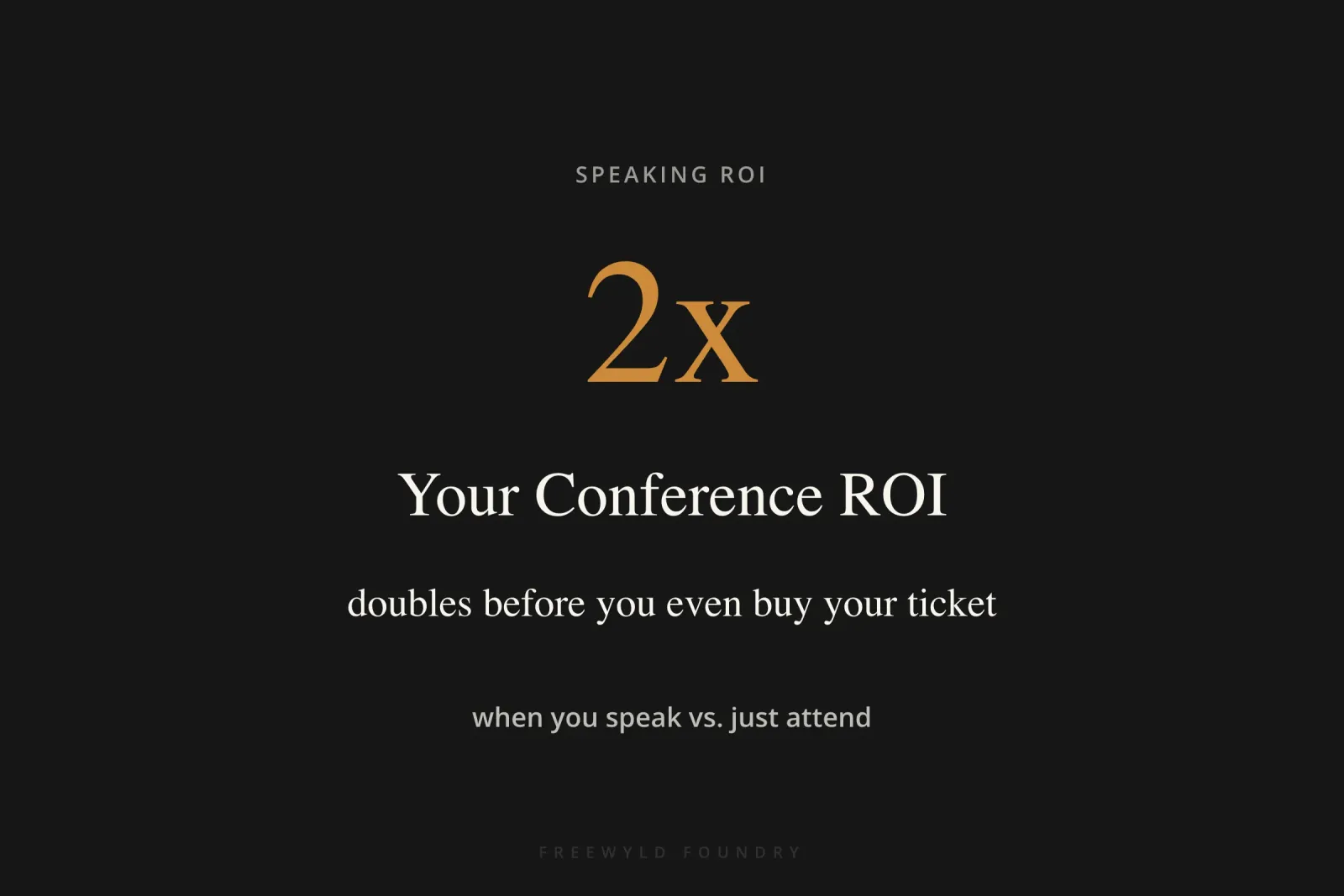
Most conferences have an open call for speakers or panelists. Apply. If you get rejected, nothing is lost. If you get selected, your return on the conference just doubled before you even buy your ticket.
Be Prepared Before You Arrive
The second thing that separates operators who get real value from conferences versus those who come back with a lanyard and a tote bag: preparation.
A conference is not a passive experience. You are not there to absorb content. You are there to make connections.
Before you go:
- Know who you want to meet. Look at the speaker list, the attendee list (if it is available), and the companies that are sponsoring. Pick five to ten people you specifically want to connect with and think about what you want to say to them.
- Use the conference app. Most major conferences, including VRMA, have apps where you can send meeting requests in advance. Use it. People book up fast. If you wait until you are on the floor, you will spend the whole time chasing people between sessions.
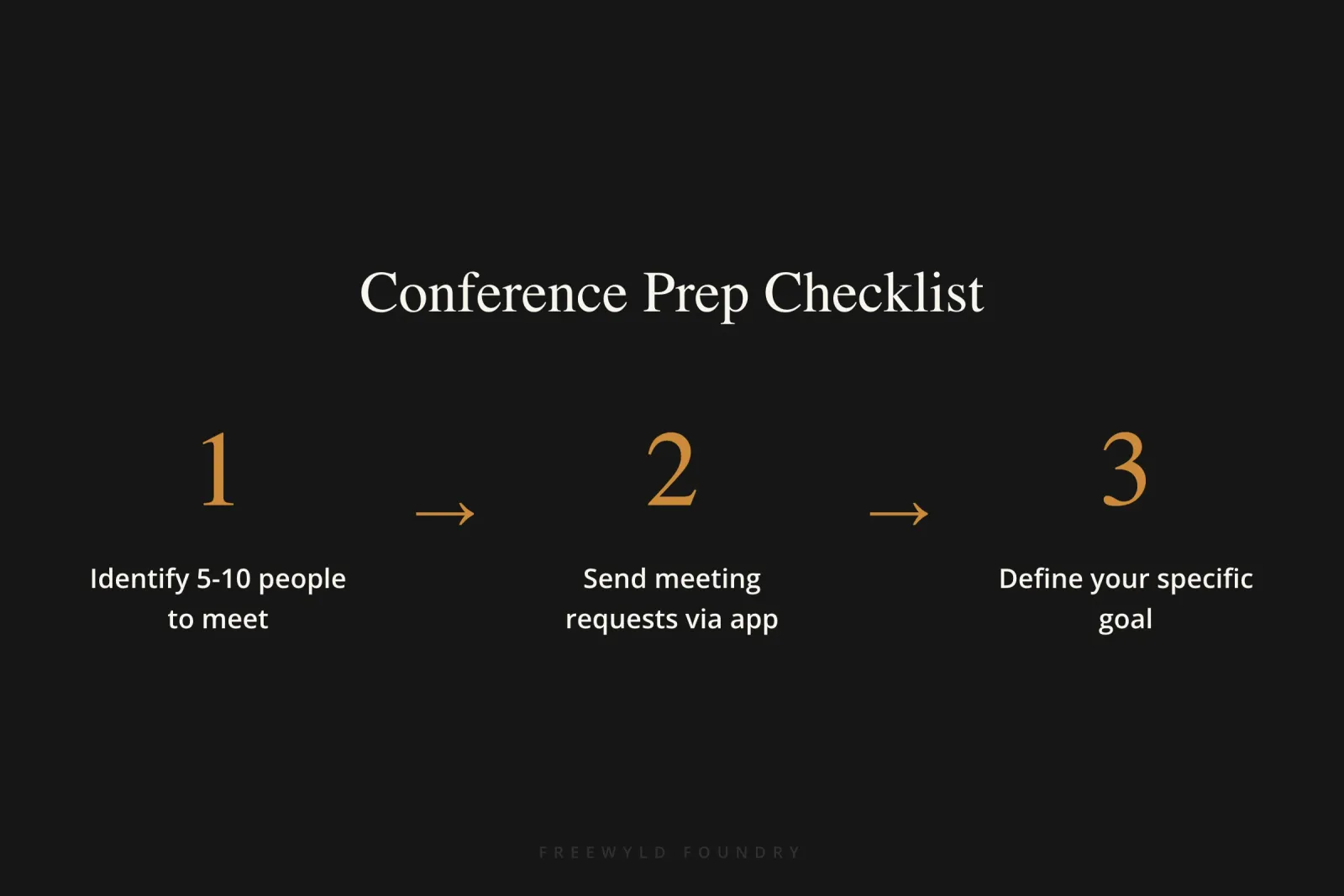 3. Define your goal. Are you there to find a vendor? Learn about a specific operational challenge? Meet potential partners? Get in front of management clients? Without a goal, you will drift from session to session and come home feeling vaguely inspired but not sure what you accomplished.
On the floor, push yourself to start conversations. The people who get the least value from conferences are the ones who stay in their comfort zone. They attend every session, take notes, and barely talk to anyone. That is not networking. That is expensive continuing education.
Protect Your Time from Vendors
Vendors will fill your calendar if you let them. Most conferences have an app or scheduling system that vendors use aggressively to book meetings before the event starts. That is their job. Your job is to protect your time.
A calendar full of vendor pitches is not networking. It is sales calls in a convention center.
Be selective. If there is a vendor you want to evaluate or a relationship you want to deepen, schedule time. But do not default to accepting every request. The most valuable time at a conference is unscheduled: the coffee line, the walk between sessions, the happy hour where you end up talking to someone you never would have found otherwise.
Protect Your Energy
Conferences are physically and mentally exhausting. Three days of back-to-back sessions, meals, networking events, and parties will drain you faster than almost anything else.
A few things that help:
- Sleep. This sounds obvious. Most people do not do it.
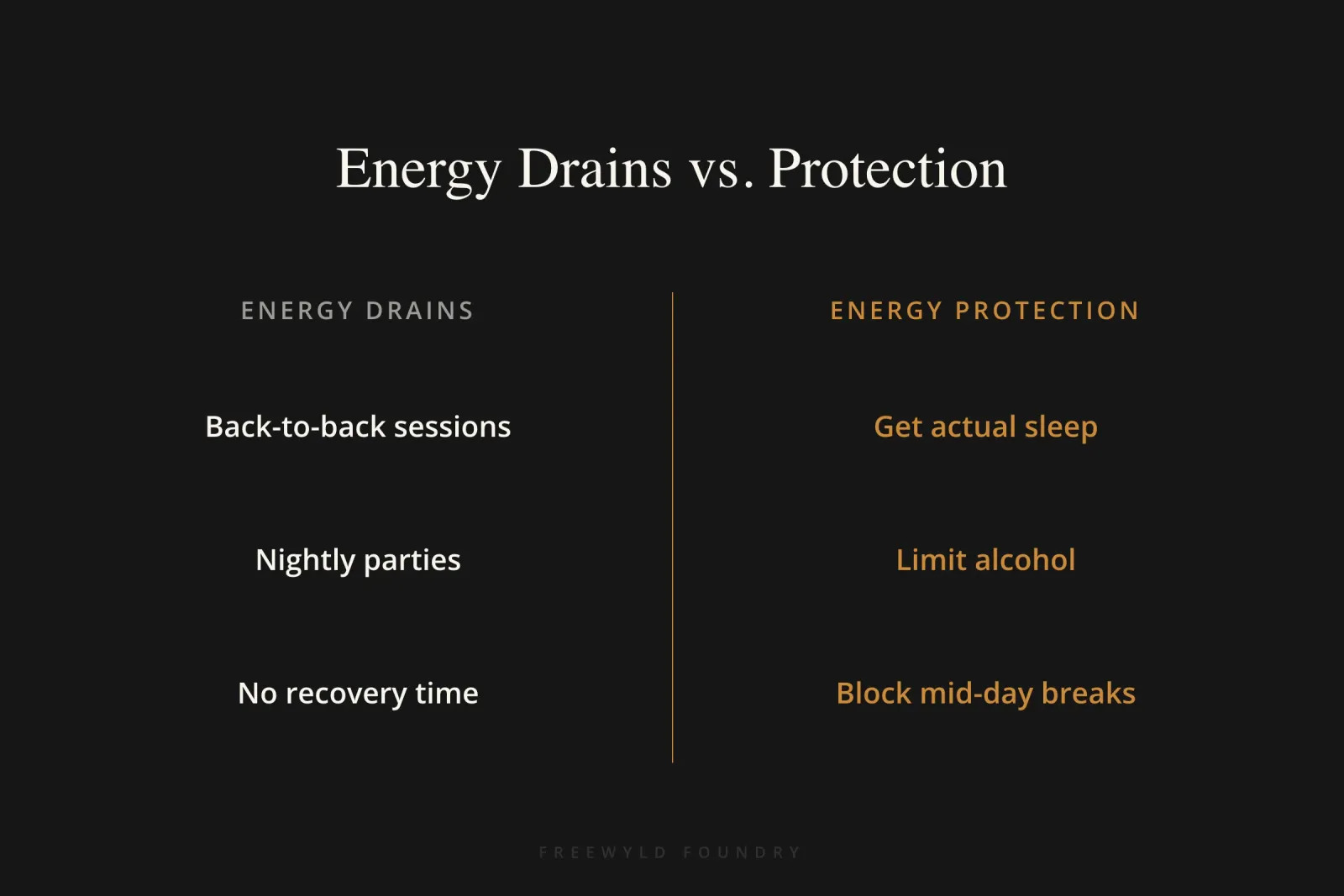
- Limit drinking. There are parties every night, and they are legitimately fun. You will also meet people there. But showing up to day two still recovering from the night before means you miss the best networking window of the conference: the morning sessions when people are fresh and conversations run long.
- Build in recovery time. Block an hour mid-day to decompress, review notes, and follow up on the conversations you have already had. You will leave more conferences with real follow-through if you spend 20 minutes building that habit on the floor versus remembering everything afterward.
Which Conferences Are Worth Attending?
For operators in the US, VRMA is the most valuable conference for most people. It is the largest in the industry, with 2,500 to 3,000 attendees. Nearly every major vendor is present. The operator attendance is broad enough that you will find people at every stage of growth.
VRMA is specifically designed for people who manage properties for others. If your business is focused on that side of the industry, it is the most relevant room you will be in all year.
IMN conferences are more investor-focused. If you are trying to grow your portfolio or connect with capital, IMN is worth looking at.
Regional conferences are underrated for building local operator networks. The people you meet at a regional event are in your market or close to it. Those relationships can turn into referral partnerships, informal masterminds, and operational collaborations.
For European operators, the conference calendar is growing. Lyon has a major conference in early October. Barcelona’s Skillfest is well-attended. London hosts multiple events throughout the year.
Freewyld Foundry at VRMA Nashville 2026
We are going to have a significant presence at VRMA Nashville this year, October 4-6. Here is what we are doing:
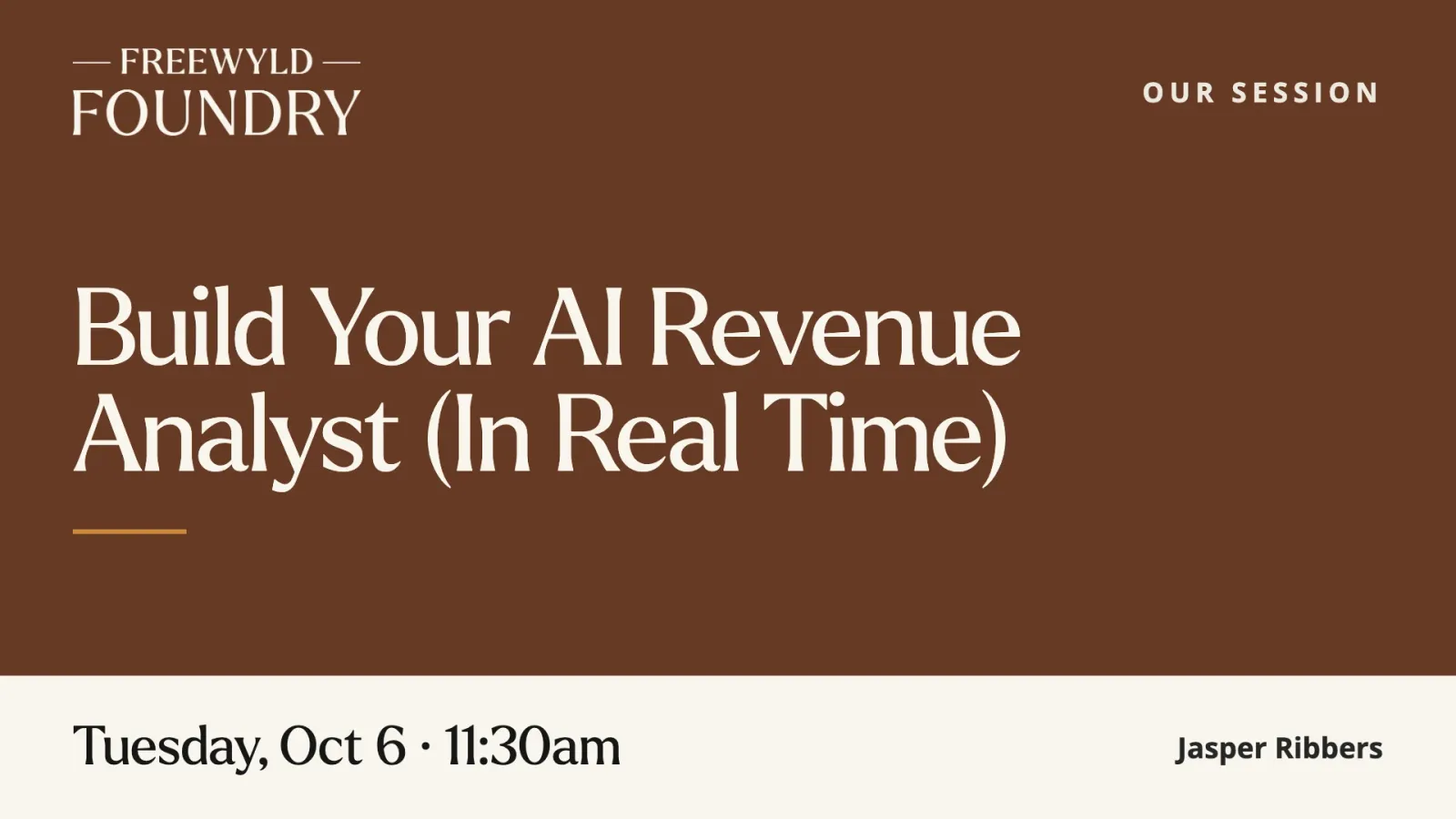
Our session: Build Your AI Revenue Analyst (In Real Time) Tuesday, October 6 at 11:30 AM. Jasper will walk through how we built AI revenue management tools that help our team price thousands of listings more accurately, and how operators can start applying the same thinking to their own business. Hands-on, practical, no fluff.
Our booth: Free revenue audit Stop by Booth 1143 and we will run a free revenue analysis on your portfolio in 10 to 15 minutes. We pull data from your pricing tool, run it through our AI analysis, and show you exactly where we think you are leaving money on the table. No pitch, no obligation. Just the analysis.
Last year this was one of the most popular things we did at VRMA. We ran over 40 audits in three days. This year we are planning for more.
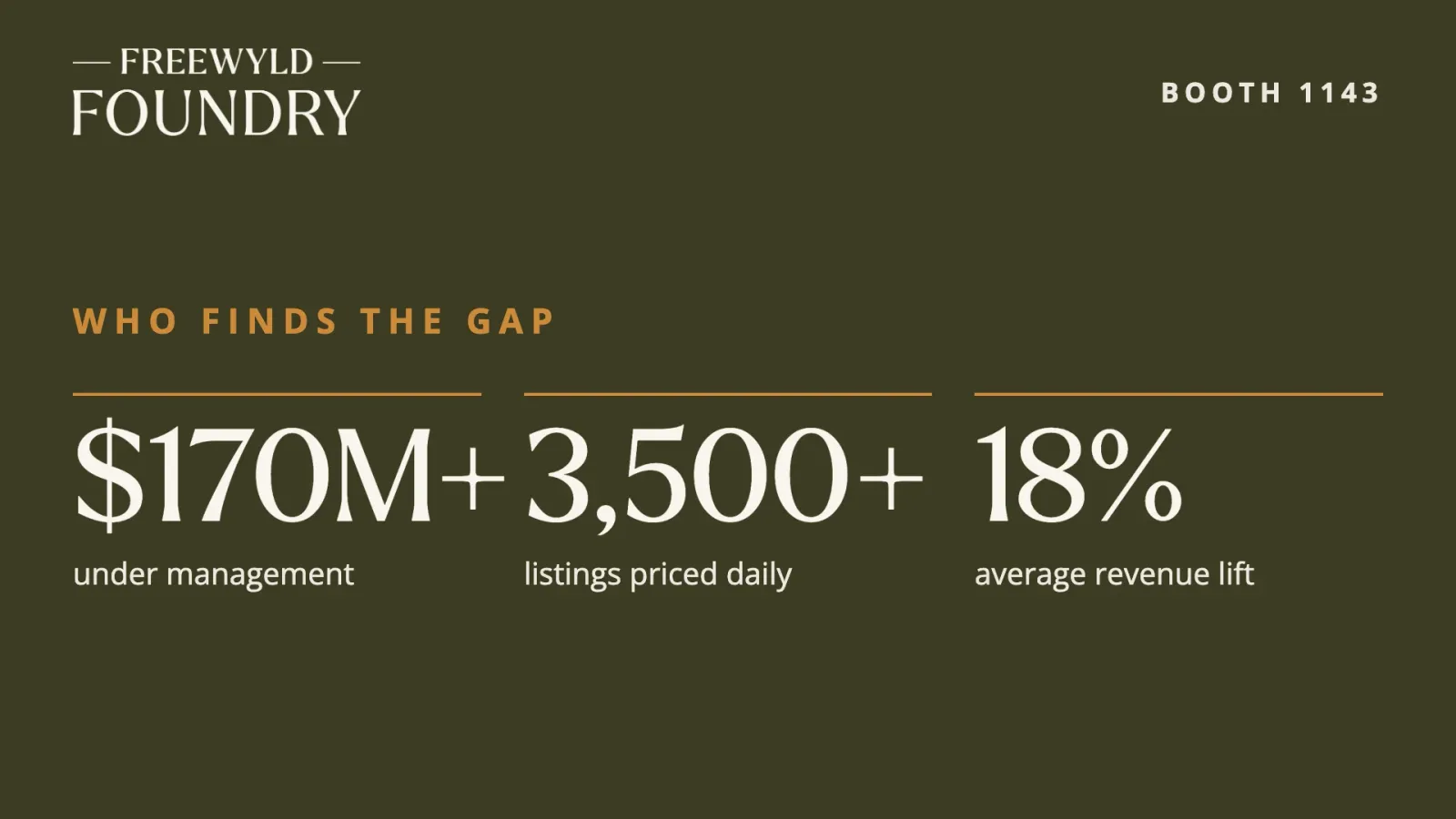
Private event: Monday night We are hosting a private dinner on Monday, October 5. Space is limited. If you are attending VRMA and want an invite, email jasper@freewyldfoundry.com before the conference.
If you are going to be at VRMA Nashville, come find us. Booth 1143, Tuesday session at 11:30 AM, and Monday night if you can make it.
The Part Most People Underestimate
When I ask people what they got from a conference, they usually list the sessions they attended and maybe one or two conversations that stood out. What they rarely mention is how they felt coming back.
The short-term rental business can feel isolated. You are managing problems, chasing bookings, dealing with guests, and trying to make sense of a market that keeps shifting. Doing that alone, or with a small team, is hard.
Being in a room with a few thousand people who are working through the same challenges changes something. Not because of the content. Because of the energy. You are reminded that you are not the only one. You hear how other operators solved a problem you have been stuck on. You leave feeling like the business is possible in a way that the day-to-day sometimes makes you forget.
That is harder to put on a spreadsheet. But it is real. And it is worth something.
A Few Practical Things
If you are planning for 2027, start now. The most valuable conferences fill their speaker slots months in advance. If you want to be on stage at VRMA 2027, applications will open in early 2027 and close quickly.
For this fall, if you have not registered for VRMA Nashville yet, registration is still open. Come find us at Booth 1143.
And if you want to think through whether a specific conference makes sense for your business, email me directly. I am always happy to talk through it: jasper@freewyldfoundry.com.
This article is based on Episode 735 of Get Paid for Your Pad. Listen to the full episode here.