How to Market Your Property Management Services to Homeowners (Without Competing on Price)
Introduction
Property managers face a tough challenge: how do you convince homeowners to trust you with their most valuable asset? Most property management companies default to the same strategy: offer the lowest commission rate and hope that’s enough. But according to Annie Holcomb, industry consultant and VRMA board member who helped grow a management company from zero to 800 properties in just two years, that approach is backwards.
Marketing to homeowners for property managers requires a different mindset. “They think that it’s all about price,” Annie explains. “And I think, yes, absolutely. But if you have a good brand and a good message and good service and you can back that up with a good team, the price really doesn’t matter.”
In this guide, you’ll discover the real factors that make homeowners choose a property manager and stay with them long-term. You’ll learn why trust beats pricing every time, how to turn your entire team into an owner acquisition engine, and what mistakes are costing property managers hundreds of thousands in lost revenue. This advice comes directly from Annie’s conversation on the Get Paid for Your Pad podcast, where she shared insights from her experience across every side of the short-term rental industry.
What Makes Homeowners Choose a Property Manager?
The answer isn’t what most property managers think. When asked about the biggest mistakes property managers make when reaching out to homeowners, Annie identifies two critical errors: competing solely on price and putting down competitors.
“Never put your competitors down,” Annie advises. “Really try to find the things that differentiate you from your competitors, whether it be you offer a service that maybe somebody doesn’t have. You know, going in and custom shooting photos for properties. A lot of luxury properties will do this.”
Instead of focusing on commission rates, successful marketing to homeowners for property managers builds strong brands with clear messaging. They demonstrate their value through service quality, team expertise, and proven results. When you have these foundational elements in place, homeowners stop shopping on price alone.
According to Annie, the property managers who win aren’t the cheapest. They’re the ones who make owners feel seen and heard. They understand that managing a vacation rental isn’t just about maximizing income. For many owners, these properties represent future retirement homes or family legacy assets with deep emotional significance.
Want to see how your pricing and revenue strategy compares to top-performing property managers? Get your free personalized revenue report at freewyldfoundry.com/get-started.
Why Trust Is the Only Metric That Matters for Owner Retention
When asked what makes a homeowner stay with a property manager versus leave, Annie’s answer is simple and definitive: “Trust and erosion of trust. I think those things just go hand in hand.”
Trust isn’t built through flashy marketing campaigns or aggressive sales pitches. It’s built through consistent, honest communication and delivering on promises. Annie has seen this pattern repeat across hundreds of property manager-owner relationships throughout her career.
The Honesty Paradox in Marketing to Homeowners for Property Managers
Here’s where it gets interesting. Most property managers think they need to paint an optimistic picture to win new business. Tell the owner their property will easily cover the mortgage. Promise returns based on 2020-2021 peak performance. Make the numbers look as attractive as possible.
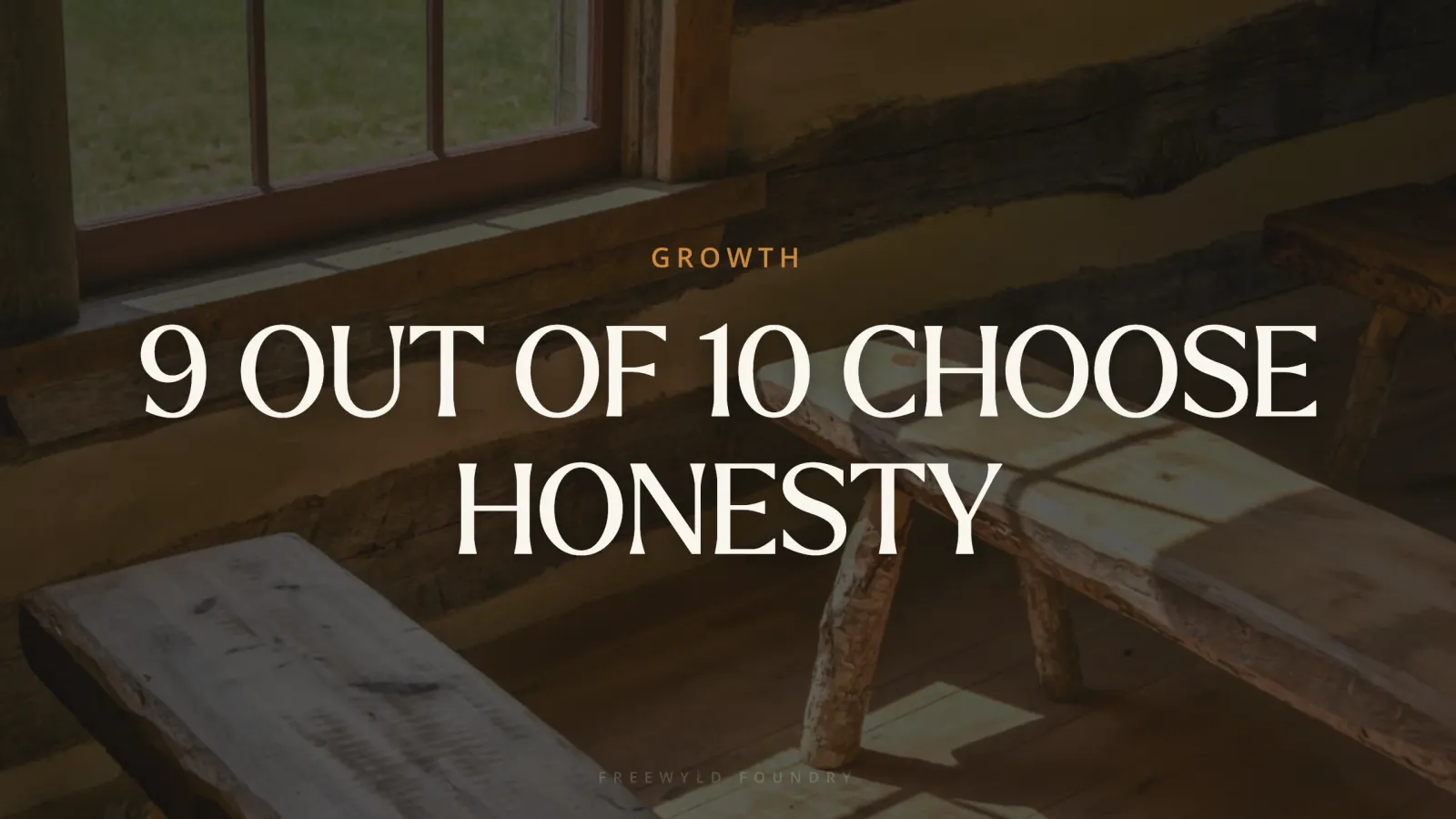
Annie’s experience proves the opposite: “I would say nine out of ten times when someone bought a property, a realtor said absolutely, they get to a manager and the manager says, look, there is no way that I’m going to do it, but I’ll work really hard for you. That owner is going to say, I’m going to work with you.”
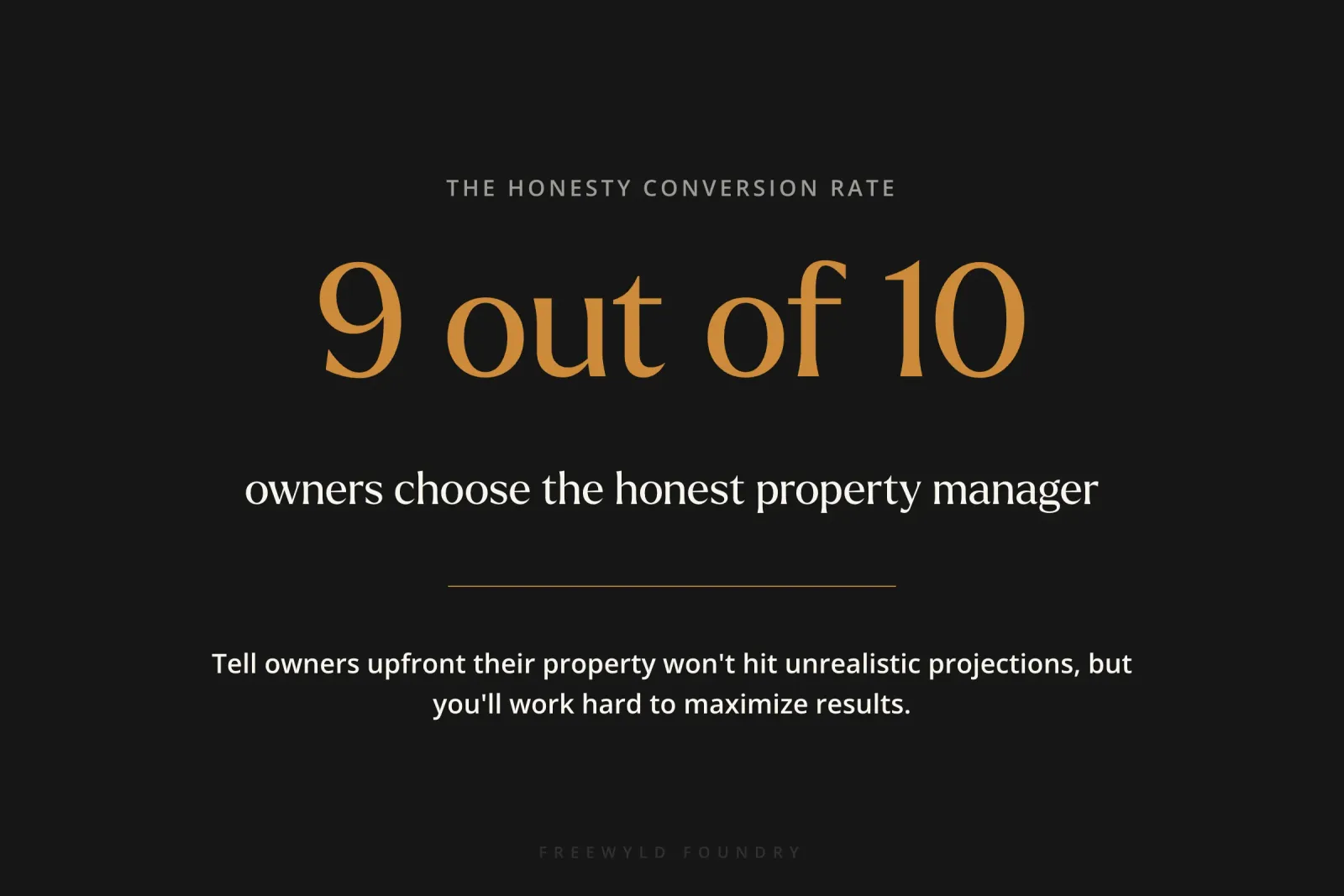
Being honest about realistic expectations increases your close rate. When you tell an owner upfront that their property won’t generate the returns promised by their realtor, but you’ll work hard to maximize what’s possible, you build immediate trust. The owner appreciates the honesty and chooses you over the property manager who overpromises.
On the flip side, if you promise unrealistic returns and fall short six months later, the owner feels lied to. That erosion of trust is almost impossible to repair. The owner starts shopping competitors, questioning every decision you make, and eventually leaves.
The Communication Framework That Builds Trust
Trust requires constant communication, but not the kind most property managers think. Sending a monthly newsletter isn’t enough. According to Annie, owners want real conversations, not templated updates.
“Randomly just call them monthly,” Annie suggests. “Make sure you’re touching every owner. To physically just call and say, hey, nothing’s wrong. Just wanted to say hello. See how you were doing. Wanted to give you an update on X, Y, Z. That means you’re intentional about your relationship with them.”
These calls don’t need a formal agenda. Call to wish them happy birthday. Ask about their grandchildren. Share that the road by their property is being repaved. The content matters less than the act of reaching out personally.
How to Turn Your Team Into an Owner Acquisition Engine
Most property managers think owner acquisition is the job of their sales team or company leadership. Annie reveals a more powerful approach: turn every single person on your team into a brand ambassador.
“Your team is selling the company every day that they’re servicing a property or every day that they’re running into the hardware store to buy nails to fix something,” Annie explains. “They’re running into a potential customer, whether it be a traveler in the market or an owner.”
Why This Approach Works
Think about where your housekeepers, maintenance staff, and front desk team spend their time. They’re constantly in the community. Shopping at local hardware stores. Eating at local restaurants. Servicing properties in neighborhoods where other homeowners live.
These team members interact with more potential clients in a single week than your sales team talks to in a month. But most property managers never train these employees on what makes the company special or how to talk about their services.
Annie points to companies like Abode Luxury Rentals in Park City and Moving Mountains as examples of property managers who get this right. These companies ensure their entire team understands the brand message, what differentiates them from competitors, and why protecting owner investments matters.
The Implementation Process
You don’t need formal sales training for every employee. You need brand clarity and cultural buy-in. Here’s how to create that:
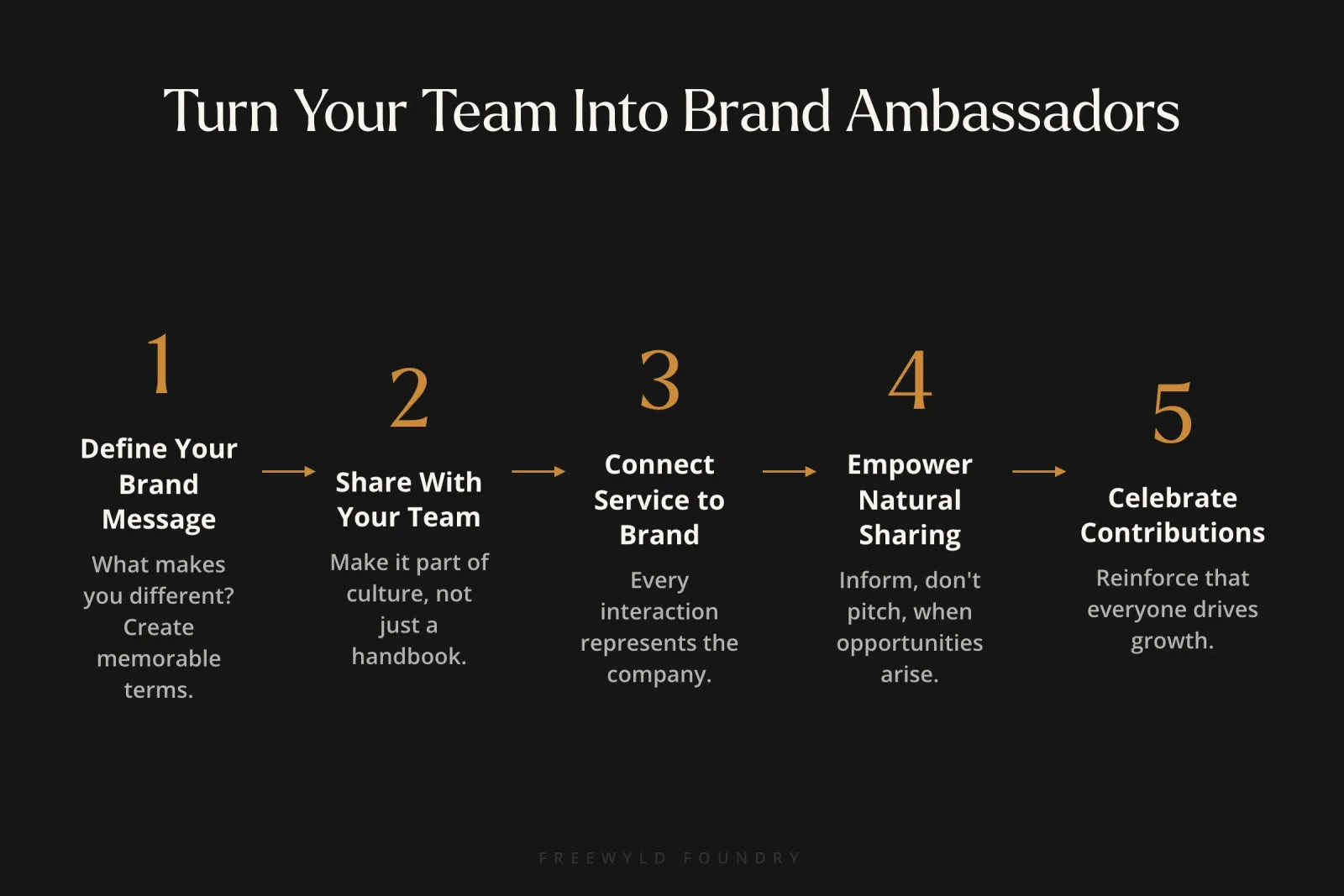
Step 1: Define your brand message in simple, memorable terms. What do you stand for? What makes you different? What promise do you make to owners?
Step 2: Share this message with your entire team. Not just once in a handbook, but regularly in team meetings. Make it part of your culture.
Step 3: Help team members understand that every interaction in the community represents the company. When your maintenance person fixes a toilet efficiently and courteously, they’re demonstrating your service quality to that owner.
Step 4: Empower team members to share basic information about your services when opportunities arise naturally. They don’t need to pitch, just inform.
Step 5: Celebrate when team members contribute to owner acquisition. Share the story in team meetings. Reinforce that everyone plays a role in growth.
Common Mistakes Property Managers Make When Marketing to Homeowners
After years of experience across multiple markets and hundreds of property managers, Annie has identified the recurring mistakes that cost property managers deals and damage their reputations.
Mistake 1: Competing Only on Price
When property managers lead with commission rates, they attract price-sensitive owners who will leave the moment a competitor offers 1% less. These relationships are transactional, not loyal.
“If you have a good brand and a good message and good service and you can back that up with a good team, the price really doesn’t matter,” according to Annie. Focus your marketing on the value you provide, not the percentage you charge.
Mistake 2: Putting Down Competitors
Negative marketing feels persuasive in the moment. You think highlighting competitor weaknesses makes you look stronger. In reality, it makes you look insecure and unprofessional.
Annie recommends a different approach: “Make them your friend. Your competitors should be your coopetition. You might have an owner that doesn’t fit with you, but you could recommend them and you kind of have this back and forth.”
When you partner with local competitors instead of attacking them, owners see you as a leader in the market. You demonstrate confidence in your services and maturity in your business approach.
Mistake 3: Growing Too Fast Without Systems
Industry media celebrates explosive growth stories. Property managers who go from 10 units to 100 units in a year get the headlines. But Annie lived the reality of rapid growth when her company went from zero to 800 properties in two years.
“Onboarding is a nightmare,” Annie reflects. “It sets the team up for just friction and chaos and just frustration.”
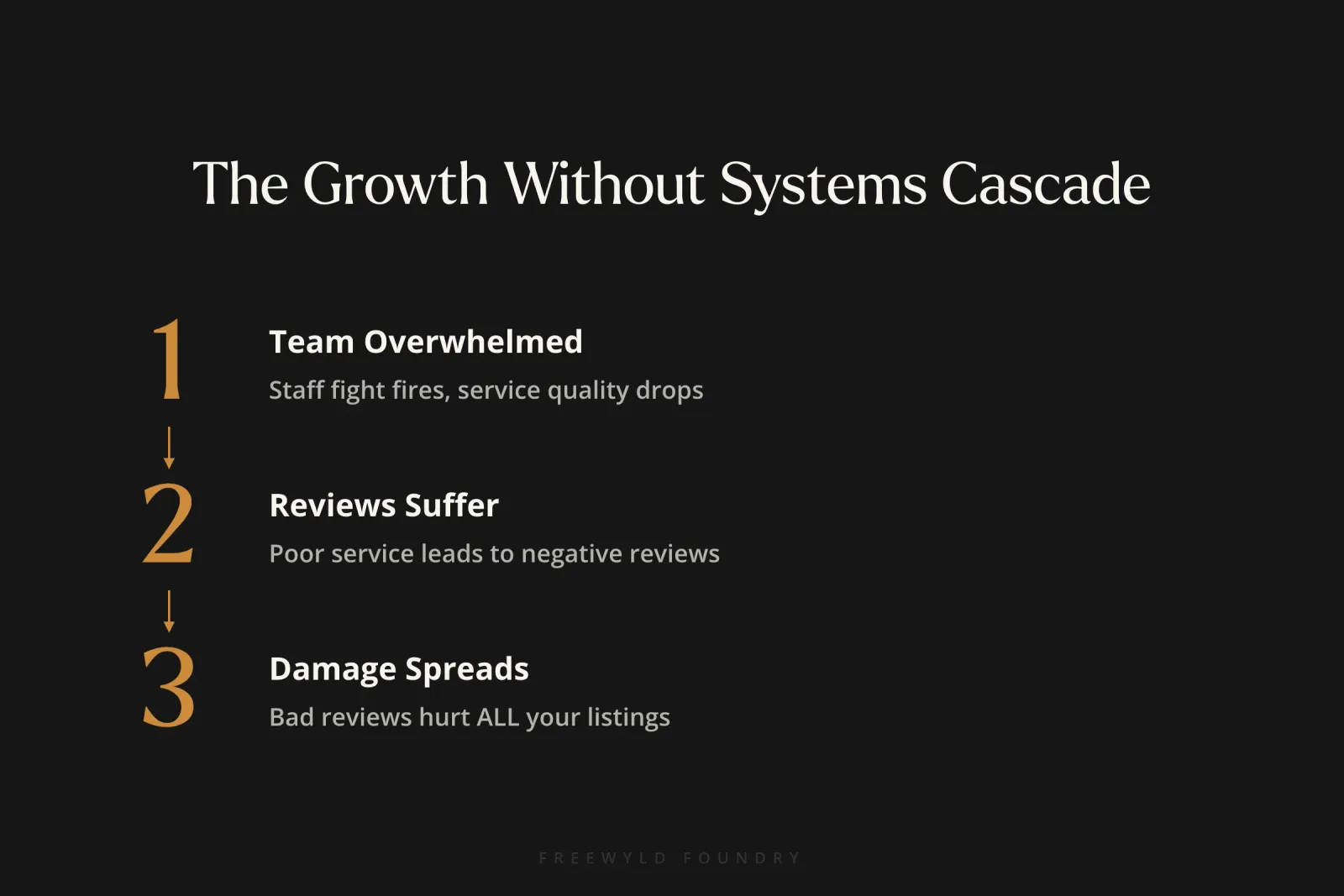
The problem with rapid growth without proper systems is threefold:
Problem 1: Your team gets overwhelmed. When housekeepers, maintenance staff, and guest services are constantly putting out fires, service quality drops.
Problem 2: Guest reviews suffer. When service quality drops, guests leave negative reviews. Those bad reviews don’t just hurt that one listing.
Problem 3: Review damage spreads. “If you don’t have the team to create a really great guest experience and you’re starting to get a lot of negative reviews on your portfolio, that can not only affect that one listing. It bleeds into other listings as well in terms of visibility and conversion rates on the different OTAs,” Annie warns.
Poor reviews on a few properties damage your entire portfolio’s performance across booking platforms. The algorithms see your company as lower quality and reduce visibility for all your listings.
Mistake 4: Ignoring Distribution Channel Strategy
Most property managers view channel distribution purely through a revenue lens. Which platform generates the most bookings? Where should we focus our listing optimization?
Annie reveals that owners care about distribution for a different reason: pride and social proof.
“Owners want to see that you’re marketing their properties. They want to know that they can look on any channel and find their properties,” Annie explains. “A channel like Marriott Homes and Villas is a really great example. That’s a channel that is a source of pride for owners when they get their properties listed because they don’t take every property.”
When owners attend dinner parties or chat in private Facebook groups with other vacation rental owners, they compare notes. “My property is on Marriott Homes and Villas” becomes a status symbol. If another owner’s property made it onto that channel but theirs didn’t, they start questioning their property manager’s effectiveness.
The strategic implication: select channels that create owner pride and satisfaction, not just booking volume. Marriott Bonvoy has over 200 million members, giving properties on that platform massive exposure. But equally important, it signals to owners that their property meets premium standards.
Mistake 5: Overpromising Based on Peak Market Data
Many property managers still reference 2020 and 2021 performance when setting owner expectations. Those years represented an unprecedented boom in vacation rental demand due to pandemic travel restrictions and remote work flexibility.
Annie and her husband experienced this firsthand as vacation rental owners. “When we started working with our property manager, they were quoting us returns from 2020, 2021. There was no mention of the market shifting. The demand has definitely shifted. It was all sunshine and roses,” recalls Kaye Putnam, host of the podcast.
When the market normalized, bookings and revenue fell short of projections. That gap between expectation and reality destroyed trust in the property manager relationship.
Smart property managers communicate market shifts proactively. They share forward-looking data, discuss how gas prices might affect drive-to destinations, and prepare owners for seasonal fluctuations. This transparency builds trust even when the news isn’t positive.
How to Implement a Trust-Based Owner Acquisition Strategy
Moving from price-based competition to trust-based relationships requires a systematic approach. Here’s exactly how to build this into your property management business.
Step 1: Define Your Brand Foundation
Before you can communicate trust, you need clarity on what you stand for. Answer these questions:
What type of properties do you want to manage? Luxury homes? Family-friendly cabins? Urban condos? You can’t be everything to everyone.
What makes you different from every other property manager in your market? Don’t say “better service.” Everyone claims that. What specifically do you do that competitors don’t?
What promise do you make to owners about protecting their investment and maximizing returns?
Take time to write clear answers. Share them with your team. Make them part of every owner conversation.
Step 2: Create an Honest Assessment Process
Develop a framework for evaluating whether a property fits your portfolio. Run real numbers before signing contracts. Include:
- Realistic revenue projections based on current market conditions
- Operating costs including maintenance, cleaning, supplies, and platform fees
- Your management fee
- Whether the property can cover the owner’s mortgage and insurance
If the numbers don’t work, tell the owner upfront. Explain you’ll work hard to maximize revenue, but you can’t promise unrealistic returns. According to Annie’s experience, this honesty converts 9 out of 10 owners who hear it.
Step 3: Build a Communication Cadence
Create a system for regular owner contact that goes beyond automated reports:
- Block one hour per week for owner phone calls
- Divide your portfolio so every owner receives a personal call monthly
- Keep calls brief and informal unless issues need discussion
- Share market intelligence in short, digestible updates
- Mention upcoming events or factors that could affect bookings
Step 4: Train Your Entire Team as Ambassadors
Schedule a team meeting to discuss your brand message. Explain what makes your company different. Share success stories that demonstrate your values. Help team members understand that they represent the company every time they’re in public.
Make this an ongoing conversation, not a one-time training. Reference your brand values in team meetings. Celebrate when team members demonstrate those values in their work.
Step 5: Develop Distribution Partnerships
Research which channels matter most to your target owners. Ask current owners where they want to see their properties listed. Prioritize channels that offer both booking volume and prestige factor.
Understand that owners are shopping these channels themselves. When they search Marriott Homes and Villas or Airbnb Luxe and don’t find their property, they question your effectiveness. Be proactive about explaining which channels you use and why.
Step 6: Create Growth Guardrails
Before pursuing aggressive owner acquisition, ensure you have:
- A property management system that can handle increased volume
- Accounting systems that scale efficiently
- Documented onboarding workflows from contract to go-live
- Sufficient team bandwidth for owner communication
- Guest service capacity to maintain review quality
If you lack any of these foundational elements, slow your growth until you build them. Rapid growth without systems damages your existing portfolio and reputation.
Step 7: Engage With Your Destination Marketing Organization
Most property managers ignore their local DMO or tourism bureau. Annie reveals this is a massive missed opportunity.
“If you’re not at the table, you’re on the menu,” Annie warns. She points to Indianapolis as an example: the market has 6,000 vacation rental properties, but the DMO doesn’t mention them in marketing materials. When someone inquires about vacation rentals, they receive hotel recommendations instead.
Show up at DMO meetings consistently. Partner with other local property managers to create a collective voice. Position your local operations as “more local than hotels” since you employ local people and buy from local businesses. Offer to be a resource when regulations are being discussed.
This engagement accomplishes two goals: it puts vacation rentals on the DMO’s radar for marketing purposes, and it ensures property managers have a voice when regulations are being considered.
Real-World Example: How Honesty Converts Better Than Optimism
Annie shares a scenario that plays out repeatedly in vacation rental markets across the country. Understanding this pattern can transform your owner acquisition approach.
A homeowner buys a vacation property after a realtor promises the rental income will easily cover the mortgage, insurance, and all expenses. The realtor shows projections based on peak 2020-2021 data, when vacation rental demand was at historic highs. The owner makes the purchase based on these numbers.
Three months later, the owner contacts local property managers to get their property listed. Most property managers look at those projections and say, “Absolutely, we can hit those numbers. We’re really good at what we do. We have proven marketing strategies.”
One property manager looks at the same projections and says, “I need to be honest with you. Based on current market conditions, there’s no way we’re going to hit those numbers. The vacation rental market has normalized since 2021. However, I’ll work really hard for you. Here’s what I think we can realistically achieve, and here’s why I believe we can deliver that.”
According to Annie’s experience working with property managers across multiple markets, the honest property manager wins the contract nine out of ten times.
Why does honesty convert better than optimism?
First, the owner has probably already talked to two or three property managers who all promised they could hit the numbers. Those promises start to sound hollow and generic. The honest property manager stands out by being different.
Second, the owner knows on some level that the projections might be optimistic. They’re not stupid. When someone validates their concerns instead of dismissing them, it builds immediate credibility.
Third, the honest property manager demonstrates they care more about the long-term relationship than making a quick sale. That character signal matters enormously when someone is entrusting you with an asset worth hundreds of thousands or millions of dollars.
Six months later, the results prove the honest property manager right. The property generates good revenue, but falls short of the original realtor projections. The owner expected this because their property manager set proper expectations. They’re satisfied with the performance.
Meanwhile, the owners who went with optimistic property managers feel disappointed and lied to. Even if the actual performance is identical, their experience is negative because expectations weren’t met. Within a year, many of those owners start shopping for new property managers.
This pattern reveals a fundamental truth about owner acquisition: setting proper expectations is more important than setting high expectations.
Frequently Asked Questions
How do I market my property management services without competing on price?
Marketing to homeowners for property managers should focus on brand strength, service quality, and proven results rather than commission rates. Develop clear messaging about what makes you different from competitors. Train your entire team to represent the brand well in every community interaction. Build trust through honest communication about realistic performance expectations. Owners who value quality service over low prices will choose you even if your rates are higher than competitors.
What’s the best way to communicate with vacation rental owners?
Block one hour per week for personal phone calls to owners. Don’t wait for problems or scheduled reports. Call just to check in, share market updates, or mention something relevant to their property. Keep conversations brief and informal. Share market intelligence in short, digestible updates so owners understand factors affecting their bookings. Make calls personal by asking about their family or remembering important dates. This consistent personal contact builds trust far more effectively than newsletters or automated reports.
Should I grow my property management business as fast as possible?
No. Rapid growth without proper systems damages your business in multiple ways. If you take on too many properties before your team has bandwidth, service quality drops. Poor service leads to negative guest reviews. Those bad reviews don’t just hurt individual listings but reduce visibility and conversion across your entire portfolio on booking platforms. Before pursuing aggressive growth, ensure you have adequate property management systems, accounting processes, documented onboarding workflows, team capacity, and guest service capabilities. Slow, sustainable growth protects your reputation and existing portfolio.
How do I choose which booking channels to list properties on?
Ask your owners where they want to see their properties listed. Owners care about channel distribution for pride and social proof, not just booking volume. Prioritize channels that offer both booking potential and prestige factor like Marriott Homes and Villas. Don’t let any single channel dominate your mix. Spread listings across multiple platforms for resilience and diverse customer reach. Remember that owners shop these channels themselves and judge your effectiveness by whether they find their properties there.
What should I do if an owner’s property can’t generate the returns they expect?
Tell them the truth upfront. Run realistic numbers based on current market conditions, not peak pandemic data. If the property can’t cover their mortgage and insurance, say so before signing a contract. Share what you believe is realistically achievable and why. According to industry data, nine out of ten owners will choose to work with you when you’re honest about limitations, because that honesty builds immediate trust. Owners who experience honesty upfront stay loyal long-term, while owners who were overpromised leave within months when reality doesn’t match expectations.
How can I differentiate my property management company from competitors?
Successful marketing to homeowners for property managers requires identifying unique service offerings that competitors don’t provide. This might include custom property photography, specialized amenity packages, hyper-local market knowledge, superior maintenance response times, or relationships with premium booking channels. Document these differentiators and train your entire team to communicate them. Focus on value delivered rather than price charged, and demonstrate results through case studies and owner testimonials.
What role does company culture play in owner acquisition?
Company culture directly impacts marketing to homeowners for property managers because every team member becomes a brand representative. When your housekeepers, maintenance staff, and front desk team understand your brand values and communicate them consistently, they create dozens of touchpoints with potential owners every week. Invest in culture development, clear messaging, and team training to turn your entire organization into an owner acquisition engine.
How do I handle owner expectations when market conditions change?
Proactive communication is essential. Share market data regularly, explain how external factors like gas prices or economic conditions affect bookings, and prepare owners for seasonal fluctuations. When you communicate changes before they impact performance, owners appreciate your transparency and trust your expertise. Waiting until owners notice declining performance themselves destroys trust and credibility.
Conclusion
Marketing to homeowners for property managers isn’t about having the lowest commission rate or the flashiest presentation. It’s about building trust through honest communication, demonstrating value through consistent service, and ensuring every person on your team represents your brand well.
The property managers who win understand that trust is the only metric that matters for owner retention. They set realistic expectations, communicate proactively, and view every team member as part of their acquisition engine. They grow at a pace their systems can support rather than chasing headlines about explosive growth.
Most importantly, they recognize that owning vacation rental properties involves significant emotional investment for many homeowners. These aren’t just income-generating assets. They’re future retirement homes, family gathering places, and legacy investments. When you honor that emotional dimension while protecting their financial investment, you create loyal relationships that drive referrals and long-term portfolio growth.
The strategies shared by Annie Holcomb in this episode come from real experience across every side of the vacation rental industry. Whether you’re managing 5 properties or 500, these principles of trust-based marketing work at any scale.
Ready to optimize your pricing strategy and maximize owner returns? Our Revenue & Pricing Management service helps property managers increase performance 18% above market average. Learn more about how we can help your portfolio perform better at freewyldfoundry.com/get-started.
Related Resources:
- 5 Revenue Management Strategies to Crush Your Short-Term Rental Goals
- How to Scale Your STR Management Company
- How to Maintain 4.9 Star Airbnb Reviews Across Large Portfolios
- Host vs Brand: Which Airbnb Profile Strategy Drives More Bookings
- STR CEO Time Management: Stop Wasting 50% of Your Day
Listen to the full conversation on Get Paid for Your Pad Episode 707 with Annie Holcomb.
About Annie Holcomb: Annie Holcomb is the founder of Annie & Co Solutions, a consultancy helping vacation rental property managers grow strategically. She serves on the VRMA board of directors and brings experience from operating a property management company that grew from zero to 800 properties in two years, working as a channel manager at Marriott, and co-hosting the Alex & Annie podcast. Connect with Annie on LinkedIn.