3 Airbnb Revenue Management Mistakes to Avoid in 2026

Want to outperform the market? Freewyld Foundry’s Revenue & Pricing Management service is driving an 18%+ performance lift for $1M+ STR operators, even in down markets. If you’re managing 10+ listings and want a free pricing audit, apply here
In this episode of Get Paid For Your Pad, Jasper Ribbers (Co-Founder of Freewyld) breaks down the three most costly mistakes short-term rental (STR) operators are making when it comes to revenue management in 2026.
If you’re serious about growing your STR portfolio this year, even in a softening market, this episode is packed with high-impact strategies that top operators are using to stay ahead.
You’ll learn:
- Why pricing aggressively in the low season is essential (and how to do it right)
- How to avoid underpricing your high season too early
- The #1 mistake around peak event pricing (and how to fix it before it costs you thousands)
- Why “idle” listings hurt your Airbnb ranking more than you think
- How guest bookings in low season can impact summer performance
Jasper also shares real data and examples from Freewyld Foundry’s managed portfolios across the U.S., including markets in Wisconsin and Washington state, showing how proper pacing and pricing strategy led to over $20K in extra revenue in one low season alone.
We also talk about:
- Airbnb’s algorithm and visibility benefits from consistent bookings
- When to use minimum and maximum pricing overrides
- Why your summer occupancy could look low now, but still crush past years’ results
- How to protect peak dates like graduations, holidays, and major events
🎯 Mentioned in the Episode:
- Freewyld Foundry - Revenue Management for $1M+ STR Portfolios
- PriceLabs Portfolio Analytics & Leaderboard reports
- Airbnb listing ranking tips (momentum, conversions, reviews)
- 5 Revenue Management Mistakes Costing STR Operators Money (And How to Fix Them)
- 5 Revenue Management Strategies to Crush Your Short-Term Rental Revenue in 2026
- World Cup 2026 Revenue Playbook
📍 Learn how to:
- Identify peak events 12+ months out and price ahead of demand
- Use overrides to protect future high-value dates
- Avoid costly mistakes in seasonal pacing
If you’re managing a portfolio of STRs, especially across multiple markets, this is a can’t-miss episode that could save (and earn) you tens of thousands.
For questions, email: jasper@freewyld.com
Subscribe for more episodes every Monday and Friday on YouTube, Spotify, and Apple Podcasts.
👍 Like, comment, and leave a review if this helped your hosting business!

World Cup 2026 Revenue Playbook
Your city-by-city pricing strategy guide for the biggest revenue opportunity in STR history. Demand tiers, team analysis, 5 costly mistakes to avoid, and an 8-step action plan.
Download Free GuideContinue Listening

September RM Update: Best Month in Company History, GuestyVal Takeaways, and an Airbnb Story
Jasper covers September 2026 portfolio performance: Freewyld Foundry up 37% year over year with 27% measurable impact above market, the highest in company history. Plus GuestyVal takeaways on AI in revenue management, the Vrbo commission change, and a personal Airbnb story.

The Javier Effect: A Custom PriceLabs Strategy for Unique STR Inventory
Javier Vasquez, a Freewyld Foundry revenue manager and former PriceLabs employee, walks through the custom Portfolio Occupancy-Based Adjustment strategy he built for a glamping dome portfolio with 97-98% occupancy year-round and 212-day booking windows.
Midterm Rentals with Frank Bosie: The Revenue Strategy Already Happening in Your Portfolio
Frank Bosie of Hostfully joins Jasper to break down the data behind midterm rentals, including why 39% of STR operators already have 30+ night bookings, how the occupancy math works, and when the hybrid approach beats a hard minimum-stay strategy.
**Jasper Ribbers:**Welcome back to Get Paid For Your Pad. Today, I'm breaking
down the three biggest mistakes short-term rental operators make with revenue
management, and how to avoid them in 2025.
If you want better results this year, even in a flat or declining market, this episode is for you.
Also, stick around until the end. I'll be sharing a free training you can sign up for that walks you through everything we're learning across 30+ portfolios.
**Context:**We manage revenue for operators doing $1M+ per year in STR income. That includes 30 portfolios across the U.S., Canada, Europe, and Australia. With hundreds of listings under management, we see clear patterns, especially when onboarding new clients.
Mistake #1: Pricing Too High in Low SeasonDuring the off-season, many hosts set unrealistic prices and hope for last-minute bookings. But in most markets, demand simply isn't strong enough to support that strategy.
Instead:
Set a goal for what good performance looks like based on last year's revenue, market comps, and your unit type.
Look at market data: what does a top 20% one-bedroom earn in January? That's your target.
Use monthly or extended-stay discounts to reach your revenue goal in advance.
Key takeaway: The low season is not the time to chase high ADRs. It's about securing bookings early and keeping listings active.
**Why It Matters:**Even low-paying bookings have long-term value:
They boost your listing's momentum in Airbnb search.
They keep your cleaners engaged.
They add fresh reviews to your listing.
Guests who stay during off-season might return during summer, or refer others.
In Wisconsin, for example, one of our portfolios generated $22K more in revenue during January simply by pricing correctly. That's $22K more bookings, reviews, and search visibility heading into summer.
**Mistake #2: Underpricing High Season (Pacing Too Fast)**We often see operators price too low in peak season, just to get early bookings. But when you book up too early, you leave a lot of money on the table.
Use pacing tools (like PriceLabs' Portfolio Analytics) to compare your occupancy and rates against the market. If you're pacing ahead too early, your prices are too low.
Real example:
A unit in Washington State had $71K booked for summer by February last year.
This year, it only has $26K booked, but at a much higher ADR.
That means we're on track to earn $100K+ this summer from the same unit, a 33% improvement.
Booking slower at higher rates beats early occupancy at low prices.
Mistake #3: Ignoring Peak Demand Events in AdvanceThis is the costliest mistake we see: not setting high enough rates for known peak events (like graduations, holidays, or major sports weekends).
Example: A university town in the Midwest
One unit got booked for graduation weekend at $1,000/night.
Two others, same specs, got booked at $399 and $379 because pricing wasn't set in time.
Solution:
Use date-specific overrides well in advance.
Set rates based on the highest historical ADRs for that period.
Add a max price cap if needed to avoid going too far.
Tip: Even if the calendar isn't open that far yet, set your override rules early. Protect your future revenue from early bookings at low rates.
Bonus Tip: Use Reporting to Track ADR Trends: With tools like PriceLabs, you can compare booked ADRs now vs. same time last year vs. final ADRs. This helps you catch underpricing before it's too late.
You'll learn:
How to identify and protect peak events
How to pace and price across seasons
What the top 1% STR operators are doing right now across 1,000+ listings
**Final Notes:**If you have revenue management questions, email me at jasper@freewyld.com. I use real listener questions to guide these episodes.
We release new episodes every Monday and Friday on YouTube, Spotify, and Apple Podcasts. If this episode helped, leave us a like, review, or comment. It makes a big difference.
Until next time!
Related Articles
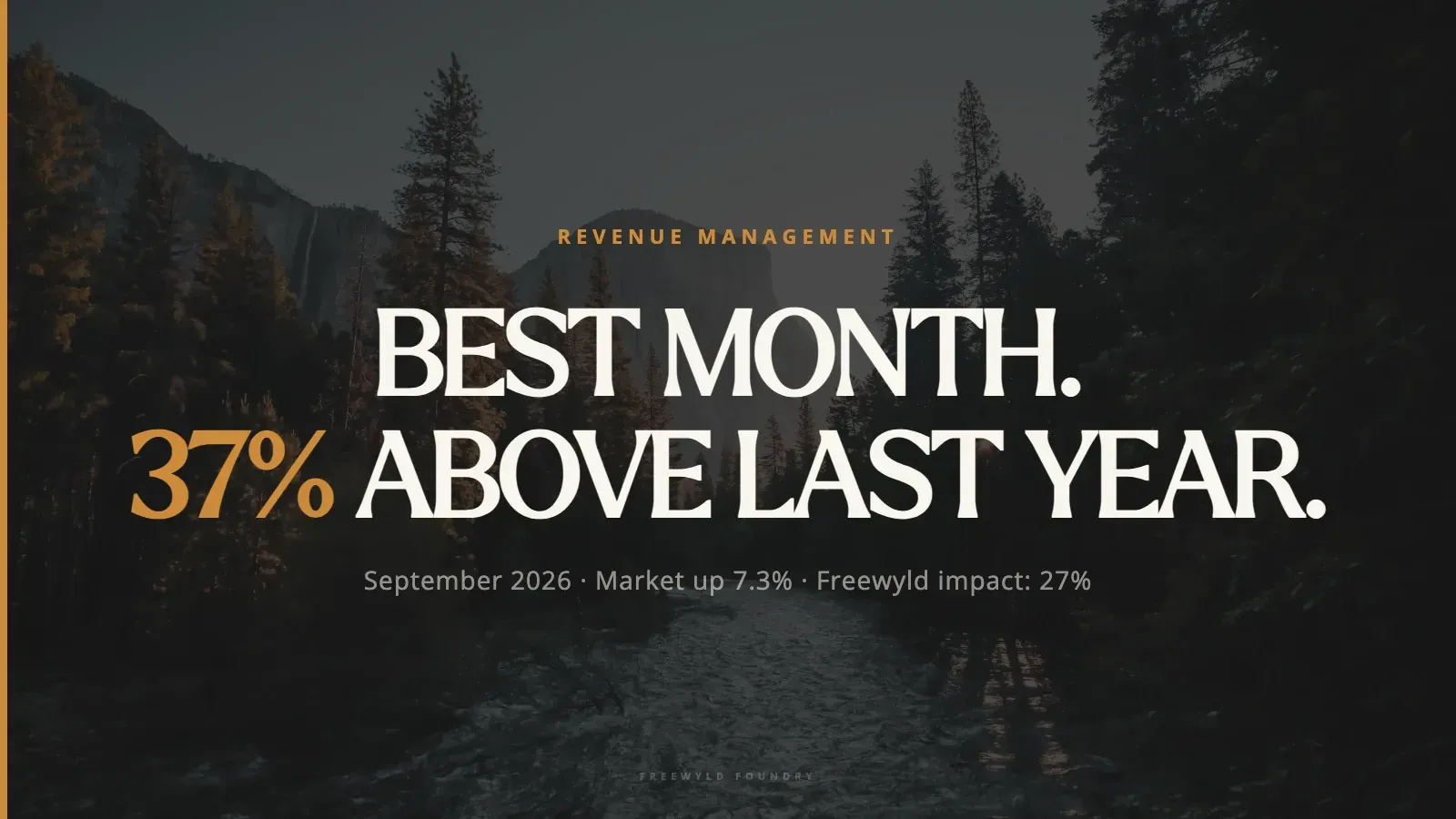
STR Market Update September 2026: Record Month, Vrbo's Commission Shift, and What AI Means for Revenue Management
September 2026 was the best month in Freewyld Foundry's history. Comparable units finished 37% above last September while the broader market grew 7.3%, producing a 27% measurable impact, the highest we have ever recorded. Here is what drove that gap, which markets led and which lagged, what Vrbo just changed about commissions, and what the industry learned about AI in revenue management at GuestyVal in Madrid.
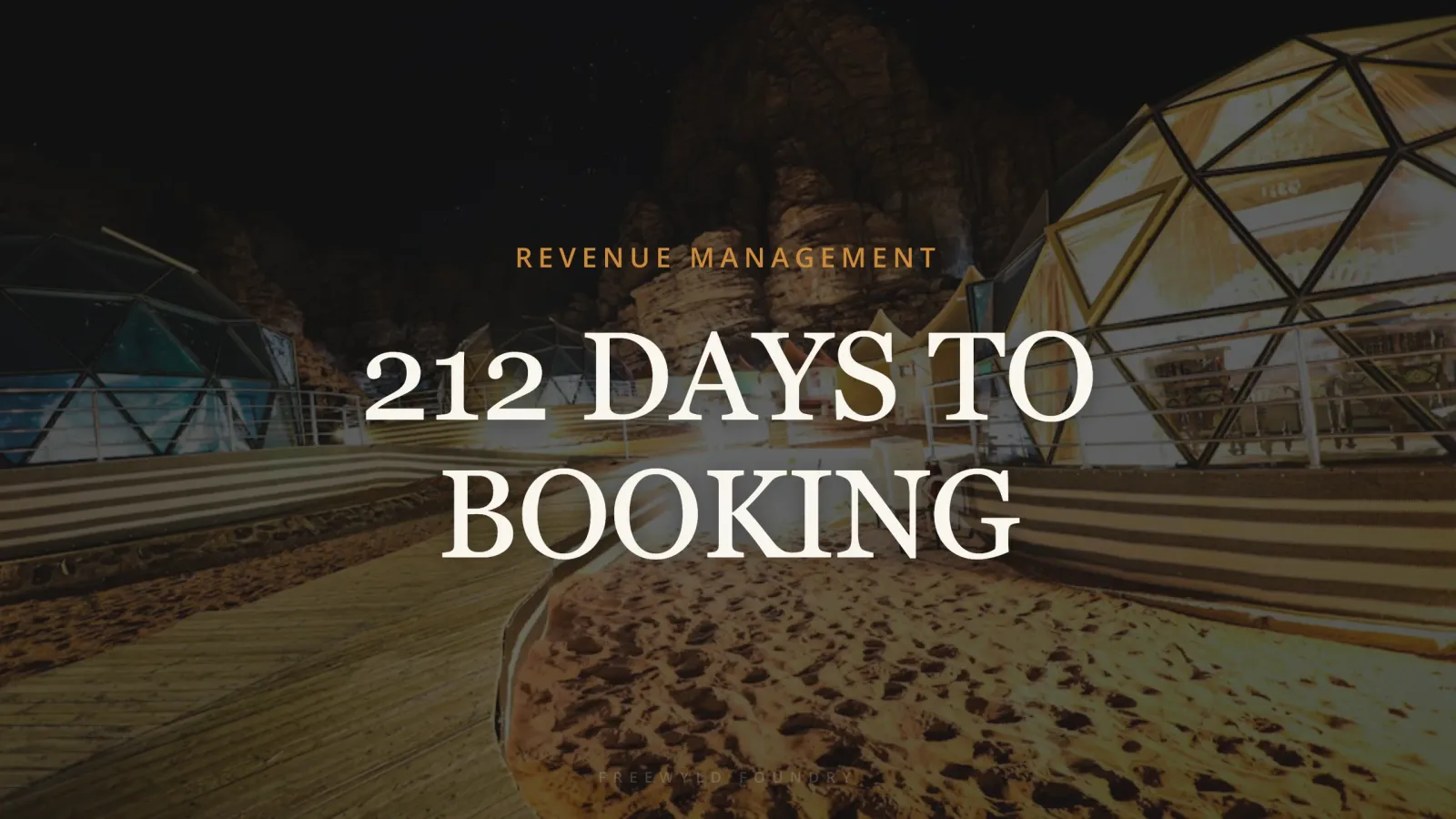
PriceLabs Portfolio Occupancy-Based Adjustment: A Strategy for Unique STR Inventory
When your STR inventory runs at 97% occupancy year-round with a 212-day booking window, standard PriceLabs market factors actively work against you. Here is how to build a custom Portfolio Occupancy-Based Adjustment strategy for destination and unique inventory.
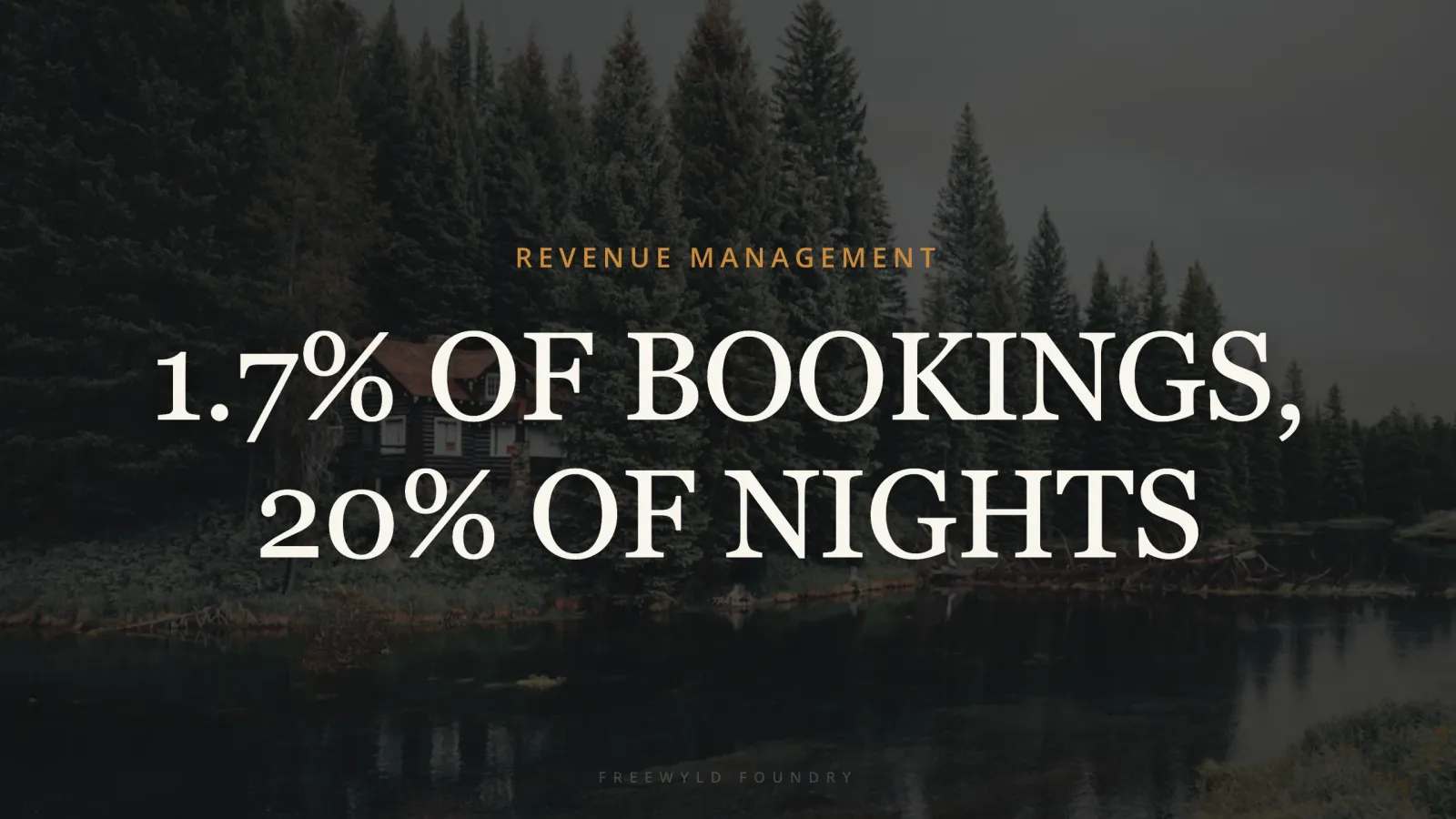
Midterm Rentals for STR Operators: The Data, the Math, and How to Start
Midterm rentals are already happening in most STR portfolios. 39% of short-term rental operators have received at least one 30+ night booking. Here is the data, the occupancy math, and how to be intentional about it without abandoning your short-term rental business.