Transform Your Short-Term Rental Into a Revenue-Generating Machine
You’ve made the investment. You’ve purchased the property. Now comes the moment that separates profitable short-term rentals from mediocre ones: interior design.
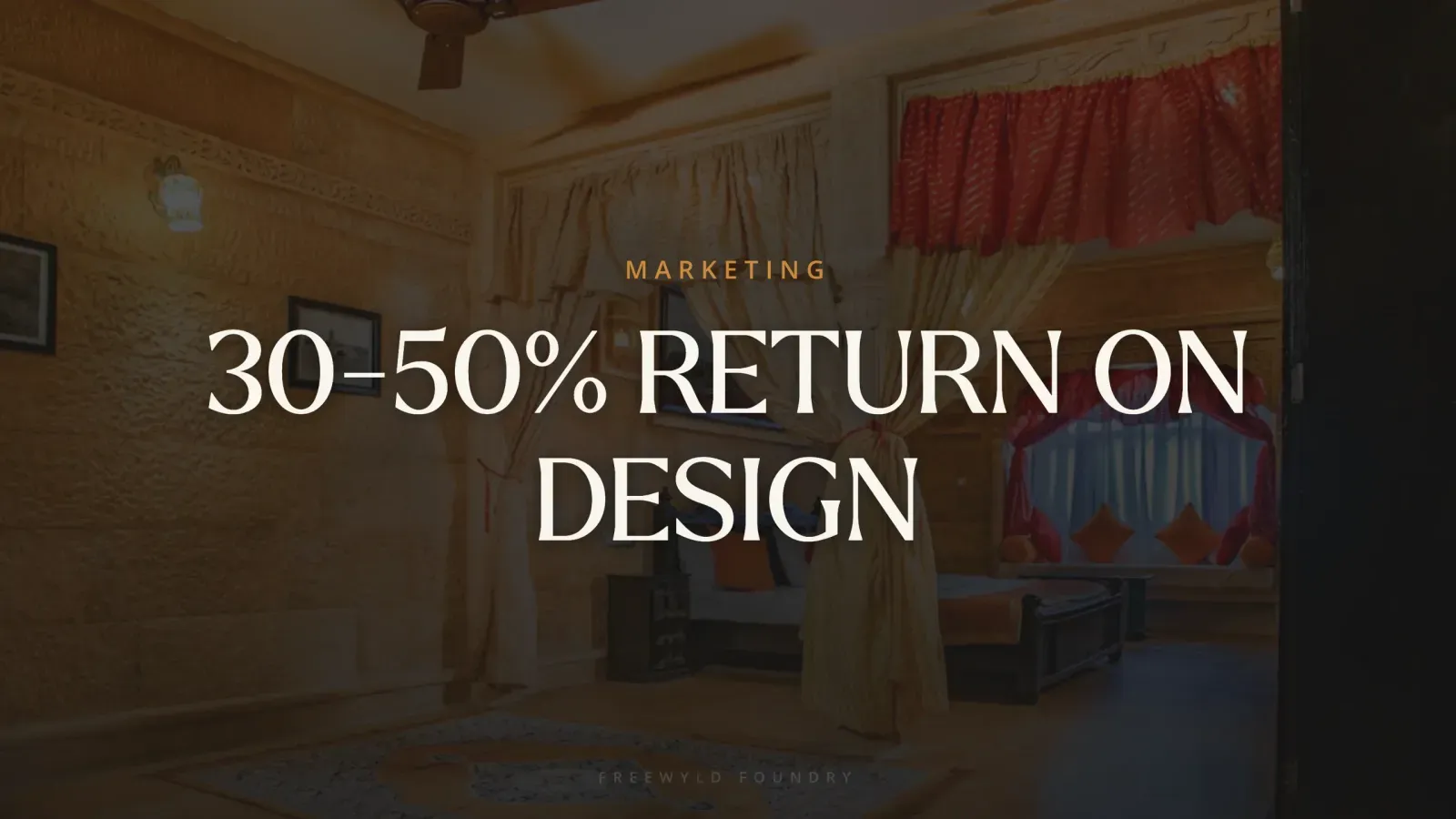
If you think design is just about making things look pretty, you’re missing a massive opportunity. Strategic interior design for short-term rentals can deliver a 30-50% return on investment while helping you charge premium rates and book further in advance. This isn’t decorating, it’s revenue optimization.
In this comprehensive guide, you’ll discover exactly how professional STR design transforms properties into profit centers, what mistakes cost hosts thousands in lost bookings, and the specific strategies top-performing properties use to dominate their markets.
Why STR Interior Design is Your Secret Revenue Weapon
Most property investors view design as an expense. Smart investors recognize it as one of their most powerful revenue drivers.
Here’s the reality: guests aren’t just booking a place to sleep. They’re purchasing an experience, a feeling, a story they want to be part of. Your photos sell that experience, and your design delivers it.
When done strategically, short-term rental interior design creates multiple revenue advantages that compound with the right revenue management strategies:
- Higher nightly rates (often 30-50% above market average)
- Increased occupancy rates through enhanced appeal
- Extended booking windows as guests plan trips around your unique property
- Premium direct bookings that bypass platform fees
- Five-star reviews that boost your search ranking
The hosts who understand this build hospitality empires. Those who don’t struggle with vacant calendars and razor-thin margins.
The Most Expensive Short-Term Rental Design Mistakes
After working with hundreds of STR properties, certain mistakes appear repeatedly, and they’re costing hosts serious money.
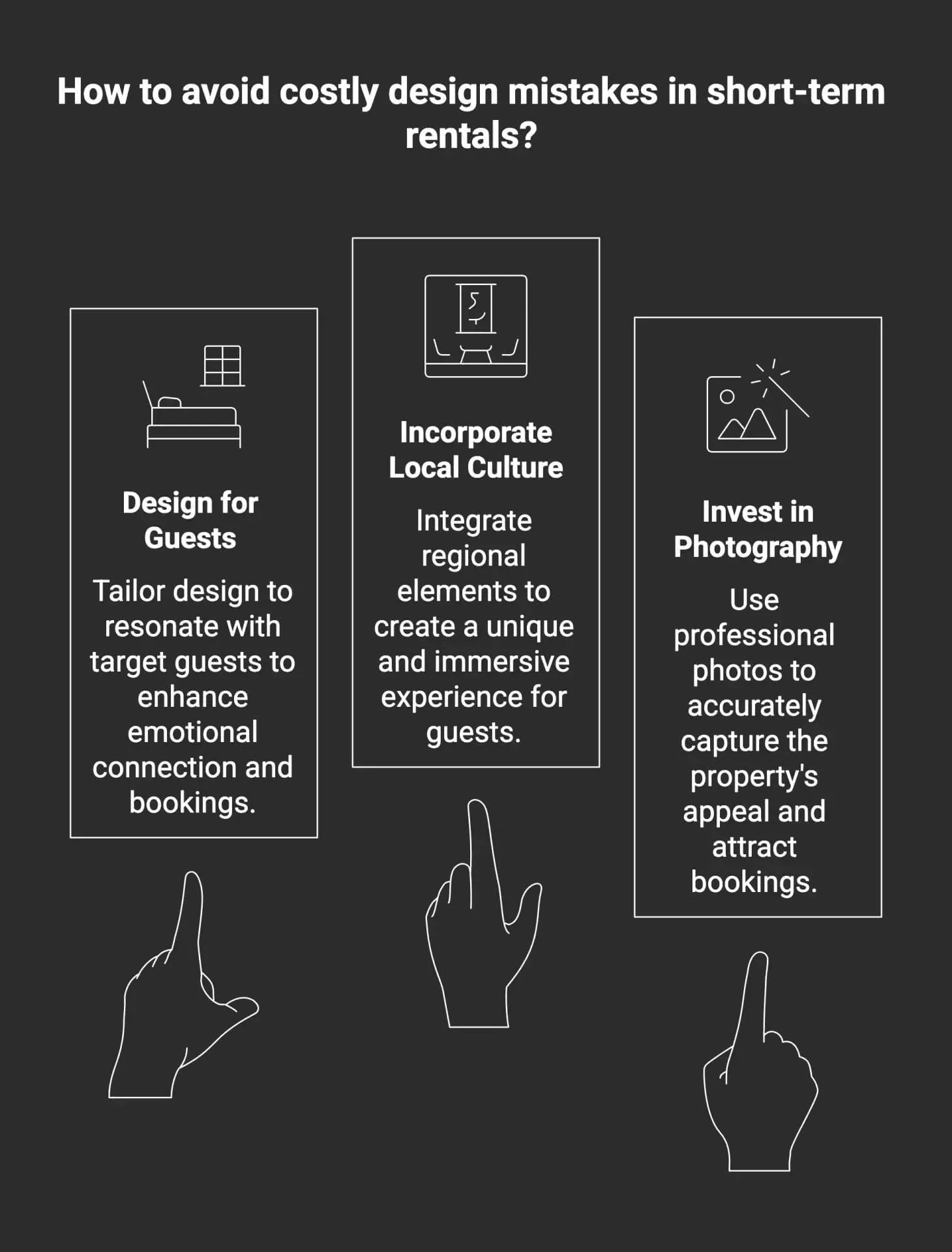
**Designing for Yourself Instead of Your Guests
**
This is the cardinal sin of STR design. Your personal aesthetic preferences mean nothing if they don’t resonate with your target guests.
A mountain cabin targeting adventure seekers needs completely different design elements than a downtown loft catering to business travelers. Yet hosts consistently default to their own taste, creating generic spaces that fail to connect emotionally with any specific guest type.
Ignoring Local Culture and Context
Cookie-cutter design that could exist anywhere is a massive missed opportunity. Guests choose destinations for specific reasons, they want to feel immersed in that location.
Properties that ignore local culture, materials, and aesthetic traditions blend into the background. Those that thoughtfully incorporate regional elements become destinations themselves.
Skimping on Professional Photography
You can have the most stunning design in the world, but if your photos don’t capture it properly, guests will never book. Real estate photographers and iPhone snapshots don’t translate the experience you’ve created.
Professional lifestyle photography with human elements, strategic styling, and proper lighting makes the difference between scrolling past and clicking “book now.” Your Airbnb profile strategy plays a role here too, since photos and branding work together to build trust.
Strategic Short-Term Rental Design: The Framework That Works
Successful STR design follows a proven framework that prioritizes guest experience over personal preference.
Market Research Comes First
Before selecting a single piece of furniture, study your competition. Analyze the top-performing properties in your market. What design elements do they share? Where are the gaps you can fill?
This research phase reveals opportunities for differentiation. Maybe every property features farmhouse design, but there’s demand for modern minimalism. Or perhaps the market lacks family-friendly spaces with sophisticated design.
Data-driven design decisions consistently outperform aesthetic guesswork.
Create a Cohesive Brand Identity
Your short-term rental needs a personality that extends beyond individual rooms. This doesn’t mean kitschy themes, it means consistent aesthetic choices that create a memorable experience.
Think about the feeling you want guests to have. Peaceful and restorative? Energetic and social? Romantic and intimate? Every design decision should reinforce that core emotion.
Colors, textures, lighting, and furniture styles should work together to tell a unified story. Guests should feel the property’s personality the moment they walk through the door.
Design Around Strategic Amenities
Everyone has a hot tub and a fire pit these days. Strategic amenity design goes deeper, creating experiences that can’t be easily replicated.
Consider amenities that photograph beautifully and create shareable moments:
- Custom outdoor kitchen spaces designed for group cooking
- Reading nooks with perfect natural lighting
- Game rooms with premium equipment and comfortable seating
- Workspaces that actually function for remote professionals
The key is designing the space around the amenity, not just adding the amenity to existing space.
The Power of Experiential Design in Short-Term Rentals
Modern travelers seek experiences over accommodations. Your design should facilitate specific activities and moments that guests will remember and share.
Creating Instagram-Worthy Spaces
Every space in your property should offer photo opportunities that guests want to share. This organic marketing extends your reach and builds brand awareness without advertising spend.
Design elements that photograph exceptionally well:
- Dramatic lighting (natural and artificial)
- Textural contrasts (smooth marble against rough wood)
- Color pop moments against neutral backgrounds
- Unique architectural features or custom installations
- Lifestyle vignettes that suggest activities
Facilitating Guest Interactions
Whether hosting couples, families, or friend groups, your design should bring people together. Open floor plans, multiple seating areas, and conversation-encouraging layouts create the social experiences guests crave.
Kitchen islands, large dining tables, cozy fire pit areas, and game spaces all serve as gathering points that enhance the group experience.
**Real-World Example: The Nashville Property That Changed Everything
**
One of the most successful projects involved a Nashville property designed for sophisticated girls’ trips. Rather than defaulting to predictable pink and glitter themes, the design team created an elevated experience that honored both the celebrity host’s brand and Nashville’s music culture.
The space featured custom neon artwork referencing inside jokes from the host’s television appearances, paired with locally-sourced vintage music memorabilia. High-end finishes and sophisticated color palettes ensured the space appealed to mature guests while still feeling playful and Instagram-worthy.
Professional lifestyle photography showed the host and friends actually using the space, cooking in the kitchen, lounging on custom seating, and enjoying the outdoor areas. These images didn’t just showcase the property; they demonstrated the experience.
This resulted in premium bookings from guests who specifically sought out this property, direct bookings through social media exposure, and a waiting list of potential guests eager to experience the space.
**The Psychology Behind High-Converting Short-Term Rental Design
**
Understanding guest psychology transforms good design into revenue-generating design. Every element should serve a specific psychological purpose that drives bookings and five-star reviews.
Color Psychology for Different Guest Types
Colors trigger emotional responses that influence satisfaction and booking decisions. Family retreats benefit from warm earth tones that create safety and comfort. Business travelers respond to sophisticated blues and grays. Romantic getaways need deeper, more intimate color schemes.
Spatial Psychology and Flow Design
How guests move through your space directly impacts satisfaction. Poor flow creates subconscious stress, while thoughtful layouts enhance comfort and encourage longer stays.
Entry experiences set the tone for entire visits. Clear sightlines to key amenities, intuitive furniture placement, and obvious pathways eliminate friction and create positive first impressions.
Advanced STR Design Strategies
Once you’ve mastered the fundamentals, these advanced strategies can push your property into the luxury tier.
The 5-Senses Design Framework
Luxury hospitality engages all five senses. Most hosts focus only on visual appeal, missing four other powerful opportunities for engagement.
Sound and Texture: Strategic sound-absorbing materials create peaceful environments. Mix smooth and rough surfaces, soft and firm seating. High-quality bedding and comfortable furniture create positive physical memories guests associate with your property.
Scent Strategy: Subtle, consistent scents create powerful memory associations. Use natural elements like cedar, lavender, or citrus that complement your design theme without triggering sensitivities.
Leveraging Technology for Design Impact
Smart home technology isn’t just about convenience; it’s about creating seamless experiences that feel luxurious. Integrated lighting systems, climate control, and entertainment options that guests can easily control enhance the sense of staying somewhere special.
Custom app integration or simple automated systems that adjust lighting and temperature based on time of day create an upscale hotel experience in a residential setting. However, technology should remain invisible and intuitive, complex systems that require instruction manuals frustrate guests rather than impressing them.
Strategic Lighting Design for Maximum Impact
Lighting has a dramatic impact on how guests feel and how your property photographs. Layer your lighting with ambient (general illumination), task (specific activities), and accent (highlighting features) options.
Warm lighting (2700K-3000K) creates cozy atmospheres, while cooler lighting (3500K-4000K) energizes the space. Consider the guest journey throughout the day. Morning areas need bright, energizing light. Evening spaces benefit from warm, dim options.
Seasonal Design Flexibility
Properties that can adapt to seasons maintain year-round appeal and booking rates. This doesn’t mean completely redecorating quarterly, but incorporating elements that can be easily swapped.
Throw pillows, artwork, lighting, and small decorative elements can shift the space from summer fresh to autumn cozy to winter warm. These changes keep return guests interested and provide fresh photography opportunities.
Seasonal adaptability also means designing for climate comfort. Summer cooling strategies may include using light-colored fabrics, installing ceiling fans, and optimizing cross-ventilation. Winter warming could involve layered textiles, fireplace focal points, and warm color accents.
Direct Booking Brand Integration
As platform fees continue rising, successful STR owners build direct booking relationships with guests. Learning how to build a content army for direct bookings accelerates this transition. Your property design should reinforce your brand identity so strongly that guests remember you specifically and book directly for return visits.
Consistent design elements, memorable amenities, and unique touches that can’t be found elsewhere build brand loyalty that translates to higher profit margins.
The Economics of STR Design Investment
Understanding design investment financials helps justify spending and measure success.
Cost-Per-Booking Analysis and ROI
Calculate design investment against increased booking revenue. If professional design costs $15,000 but increases your average nightly rate by $50 and occupancy by 15%, payback often occurs under 12 months. Pairing design upgrades with professional pricing tactics from our STR revenue management secrets maximizes that ROI.
Track these metrics before and after design implementation:
- Average daily rate increases
- Occupancy rate improvements
- Review score enhancements
- Direct booking conversion rates
Certain design investments consistently deliver disproportionate returns. Kitchen upgrades enable better food photography. Improvements to bedroom comfort directly impact review scores. Lighting upgrades provide a massive visual impact for a modest investment.
The Photography Factor: Making Your Design Sell Itself
Outstanding design means nothing if it doesn’t translate through photography. The most successful STR properties invest as heavily in professional photography as they do in design itself.
Beyond Wide-Angle Real Estate Shots
Real estate photography shows spaces. Lifestyle photography sells experiences. Your photo gallery should tell the story of what guests will experience during their stay.
Close-up detail shots, human elements showing amenities in use, and mood-setting images that capture the property’s personality convert browsers into bookers.
Creating Shareable Moments
Design spaces specifically for social media sharing. Guests posting photos of your property provide free marketing to their networks, expanding your reach organically.
Strategic lighting, photogenic backgrounds, and picture-perfect vignettes encourage guest-generated content that builds brand awareness and social proof.
The Hidden Psychology of Guest Photography
Guests photograph spaces that make them feel successful, attractive, or interesting. Design elements that serve as flattering backdrops or suggest aspirational lifestyles generate more social sharing.
Consider sight lines from seating areas to photogenic backgrounds. Ensure mirrors are positioned to catch good light. Create vignettes that suggest activities guests want to be associated with, reading in a perfectly appointed library corner, cooking in a magazine-worthy kitchen, or relaxing in a spa-like bathroom.
Operational Design: Beautiful Spaces That Function Flawlessly
Beautiful design means nothing if it doesn’t support smooth operations. Balance aesthetics with functionality that reduces maintenance costs and guest complaints.
Durability Without Sacrificing Style
STR properties face heavy use from guests who don’t treat furnishings with homeowner care. Performance fabrics that resist stains while looking luxurious save thousands in replacement costs. High-traffic areas need materials that hide wear or develop attractive patinas over time.
Strategic Storage and Maintenance
Guest storage needs vary dramatically, but insufficient options create cluttered spaces that photograph poorly. Built-in wardrobes, under-bed storage, and multi-functional furniture serve dual purposes while maintaining clean aesthetics.
Select finishes that age gracefully and can be easily refreshed. Paint colors that hide minor scuffs, flooring that doesn’t show every footprint, and commercially cleanable fabrics extend design investment life.
Summary & Key Takeaways
Strategic short-term rental interior design is revenue optimization disguised as aesthetics. The most successful properties understand that design serves guests, not owners, and creates experiences worth premium pricing.
- Market research drives design decisions, not personal aesthetic preferences
• Cohesive brand identity throughout the property creates memorable experiences
• Strategic amenities designed for specific guest activities command higher rates
• Professional photography is essential for translating design into bookings
• Integrating local culture differentiates properties from generic competition
**
Transform Your STR Into a Design Success Story**
Ready to unlock your property’s revenue potential through strategic design? Hosts earning premium rates and maintaining full booking calendars understand that professional design isn’t an expense; it’s one of the highest-return investments in the short-term rental business.
Don’t let poor design decisions cost you thousands in lost bookings and lower nightly rates. The difference between struggling properties and profitable ones often comes down to strategic design choices that create experiences guests can’t find anywhere else.
What’s stopping you from creating a short-term rental that commands premium rates and stays booked year-round? The market rewards properties that prioritize guest experience over owner preferences. Will yours be one of them?