3 Proven Strategies to Dominate Airbnb’s Low Season

Want to outperform the market? If you’re managing 10+ listings and want a free pricing audit, apply here.
In this episode of Get Paid for Your Pad, Jasper Ribbers breaks down the three key pillars of a strong Low Season Strategy and how they drive visibility, occupancy, and cash flow across 43 portfolios at Freewyld Foundry.
You’ll learn exactly how to:
- Get ahead of the curve with pacing and market penetration (MPI)
- Use custom seasonal pricing instead of cutting your base rates
- Leverage length-of-stay discounts to attract 1-3 month bookings
- Keep your OTA momentum alive to protect spring and summer performance
- Balance occupancy versus revenue while keeping your team engaged
We also talk about:
- Why most operators adjust too late and how that kills visibility
- How to set realistic occupancy targets for your specific market
- Why a “slow” season can double your long-term bookings
- The hidden link between low-season pacing and summer ADRs
🎯 Mentioned in the Episode:\
- 5 Revenue Management Strategies to Crush Your Short-Term Rental Revenue in 2026
- Aligning Owners as Revenue Strategies Evolve in a Dynamic Market
- The STR Pacing Playbook
Freewyld Foundry: Free Revenue Report → freewyldfoundry.com/report
Freewyld Foundry: Revenue & Pricing Management → freewyldfoundry.com
VRMA Conference Insights 2024
🔥 Favorite Takeaway:
“Low season doesn’t mean low revenue. It’s your best chance to prove how good you really are at revenue management.”

The STR Pacing Playbook
A step-by-step guide to tracking and using pacing data to optimize your short-term rental pricing strategy.
Download Free GuideContinue Listening

September RM Update: Best Month in Company History, GuestyVal Takeaways, and an Airbnb Story
Jasper covers September 2026 portfolio performance: Freewyld Foundry up 37% year over year with 27% measurable impact above market, the highest in company history. Plus GuestyVal takeaways on AI in revenue management, the Vrbo commission change, and a personal Airbnb story.

The Javier Effect: A Custom PriceLabs Strategy for Unique STR Inventory
Javier Vasquez, a Freewyld Foundry revenue manager and former PriceLabs employee, walks through the custom Portfolio Occupancy-Based Adjustment strategy he built for a glamping dome portfolio with 97-98% occupancy year-round and 212-day booking windows.
Midterm Rentals with Frank Bosie: The Revenue Strategy Already Happening in Your Portfolio
Frank Bosie of Hostfully joins Jasper to break down the data behind midterm rentals, including why 39% of STR operators already have 30+ night bookings, how the occupancy math works, and when the hybrid approach beats a hard minimum-stay strategy.
Jasper Ribbers | Freewyld:
Welcome back to Get Paid for Your Pad. This is another episode of RevUp, where we share the revenue management strategies we use across more than 40 short-term rental portfolios at Freewyld Foundry. Today’s topic is low season strategy: how to maintain occupancy, protect visibility, and set your listings up for success when demand slows down.
Most operators are entering their low season now. Unless you’re in a ski or Texas market, you’re probably seeing occupancy drop. That can be challenging, but if you manage pacing, pricing, and visibility properly, your low season can actually strengthen your high-season performance.
The biggest mistake most operators make is waiting too long to adjust. By the time bookings drop off after Halloween or Veterans Day, they start reacting instead of preparing. The key is to plan early. At Freewyld Foundry, we track our Market Penetration Index, or MPI, which measures your future occupancy compared to the market. If your occupancy for the next four months is 20% and the market’s at 10%, your MPI is 200%. That’s where you want to be: ahead of the curve.
For most markets, final low season occupancy ranges between 20 and 50%. We aim to maintain at least 50 to 60%. Consistent occupancy keeps your visibility strong on OTAs. If your listing goes months without bookings, your ranking drops, your visibility declines, and your summer performance suffers as a result.
The first step is managing pacing early. Don’t wait until your calendar is empty. Use data from pricing tools to create custom seasonal profiles that adjust your rates for the low season without touching your base price. Lowering your base price impacts your rates year-round, including summer, so it’s better to set temporary seasonal adjustments.
If your market occupancy drops below 30%, go aggressive. Set your rates close to your minimums. Focus on maintaining momentum, not maximizing nightly rates. The more bookings you get, the more visibility and reviews you earn, which helps sustain traffic to your listings.
The second step is attracting longer stays. Low season is ideal for targeting guests who stay one to three months. Offer monthly discounts and length-of-stay incentives through Airbnb rule sets. Avoid restricting bookings with 30-night minimums; instead, keep your calendar flexible to stay visible and fill in gaps. We’ve seen the best results with a two-night minimum during the low season. It might seem counterintuitive, but that flexibility helps your listing appear more often in search results, which also attracts longer stays.
Use rule sets to offer discounts for three, five, seven, and fourteen nights, not just monthly bookings. This lets you capture more demand and show visible discounts in Airbnb’s pricing breakdown, which helps conversion.
To recap: track your pacing and MPI early, adjust your seasonal pricing before the market slows down, offer length-of-stay discounts to attract longer bookings, stay flexible with minimum nights, and focus on occupancy and momentum over short-term revenue.
The goal in low season is to keep your listings moving. More bookings mean your cleaning and maintenance teams stay active, your cash flow improves, and your listings maintain their visibility going into spring and summer.
We’ve seen clients double or even triple low season revenue by making these adjustments early. Even small gains make a difference during the slower months, especially for cash flow and maintaining strong visibility for the year ahead.
If you want a personalized revenue report, visit freewyldfoundry.com/report. Our team will review your pricing, pacing, and performance, and show you how to improve your low season strategy.
Thanks for tuning in to Get Paid for Your Pad. See you next week.
Related Articles
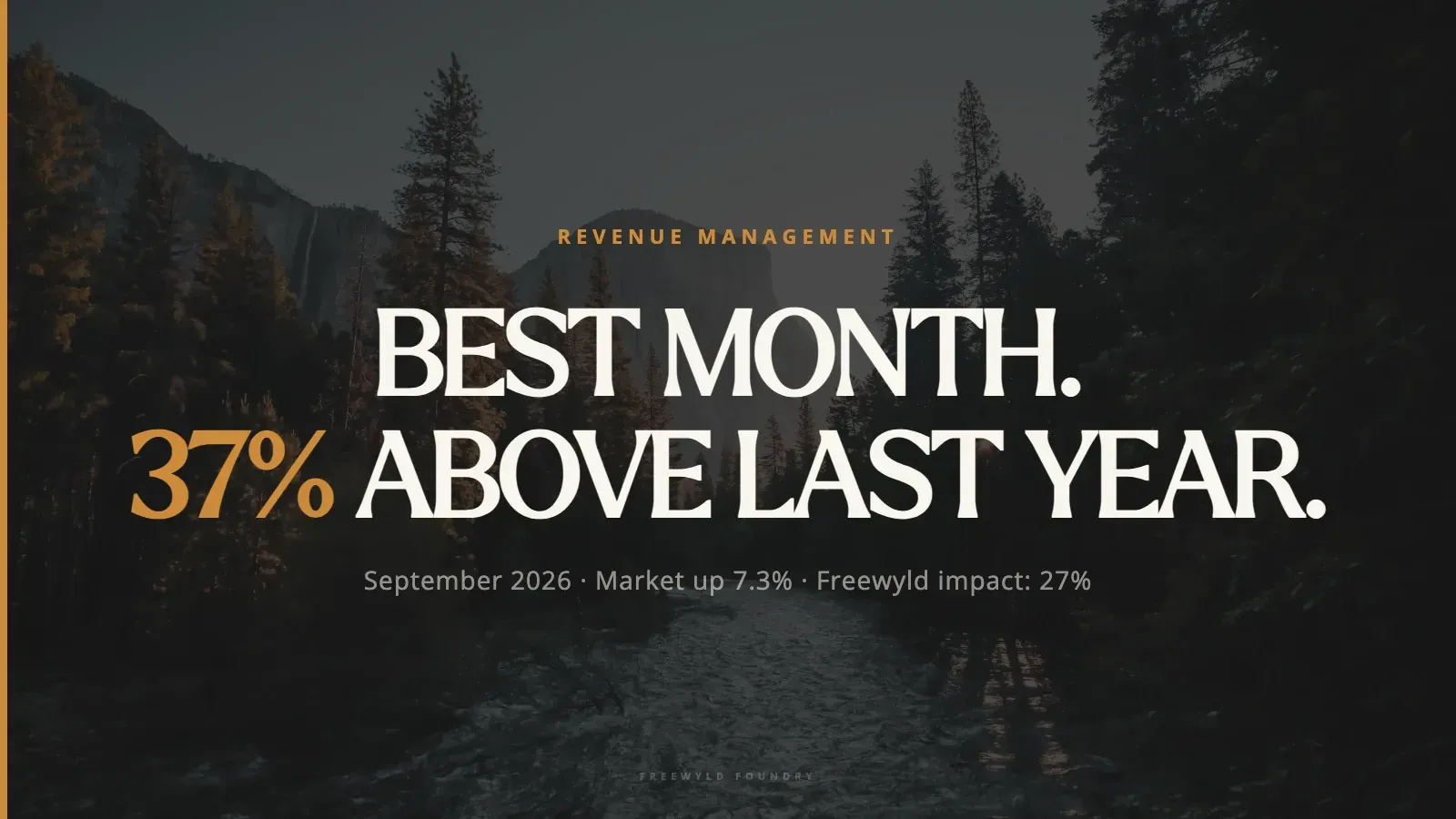
STR Market Update September 2026: Record Month, Vrbo's Commission Shift, and What AI Means for Revenue Management
September 2026 was the best month in Freewyld Foundry's history. Comparable units finished 37% above last September while the broader market grew 7.3%, producing a 27% measurable impact, the highest we have ever recorded. Here is what drove that gap, which markets led and which lagged, what Vrbo just changed about commissions, and what the industry learned about AI in revenue management at GuestyVal in Madrid.
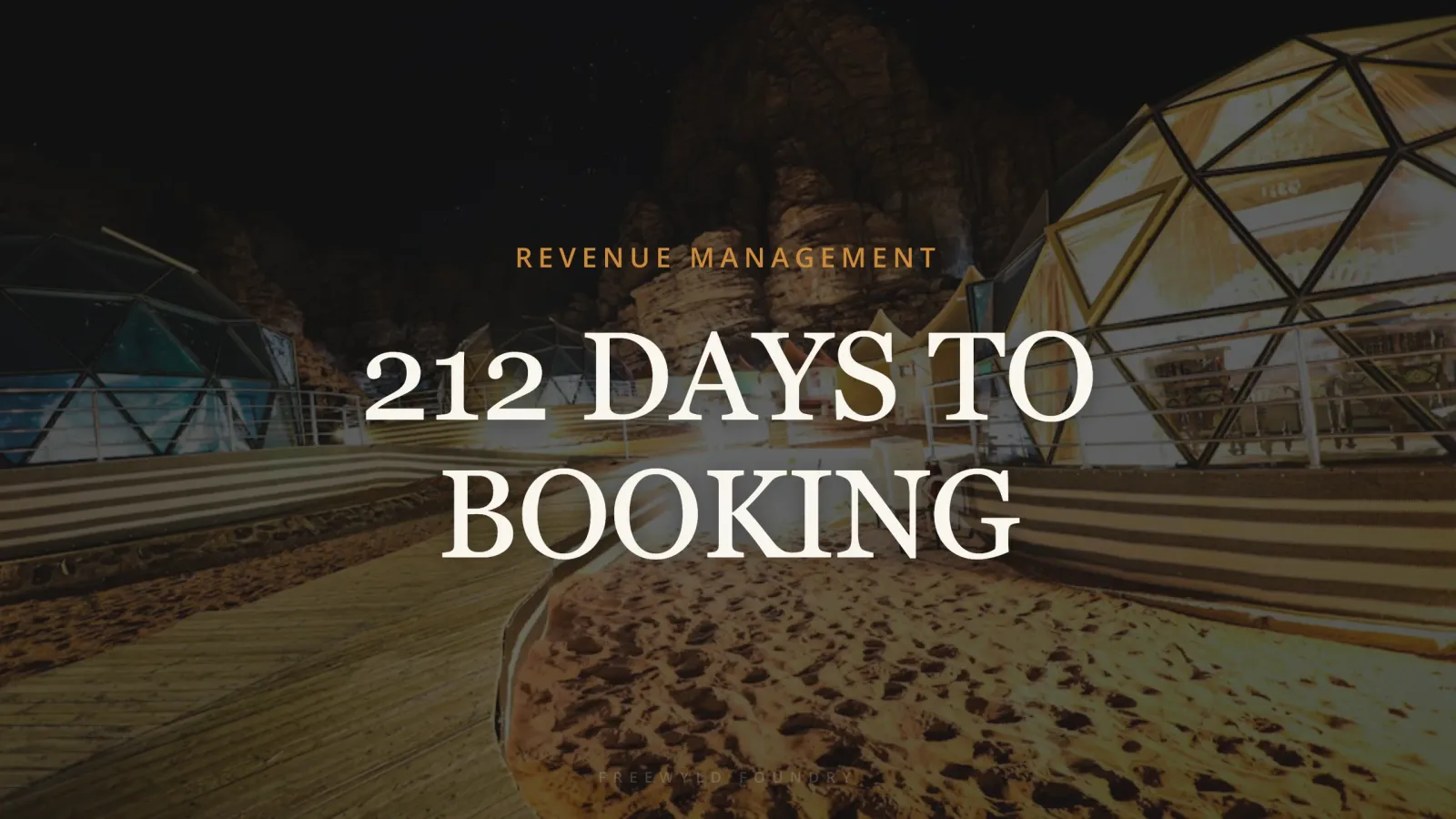
PriceLabs Portfolio Occupancy-Based Adjustment: A Strategy for Unique STR Inventory
When your STR inventory runs at 97% occupancy year-round with a 212-day booking window, standard PriceLabs market factors actively work against you. Here is how to build a custom Portfolio Occupancy-Based Adjustment strategy for destination and unique inventory.
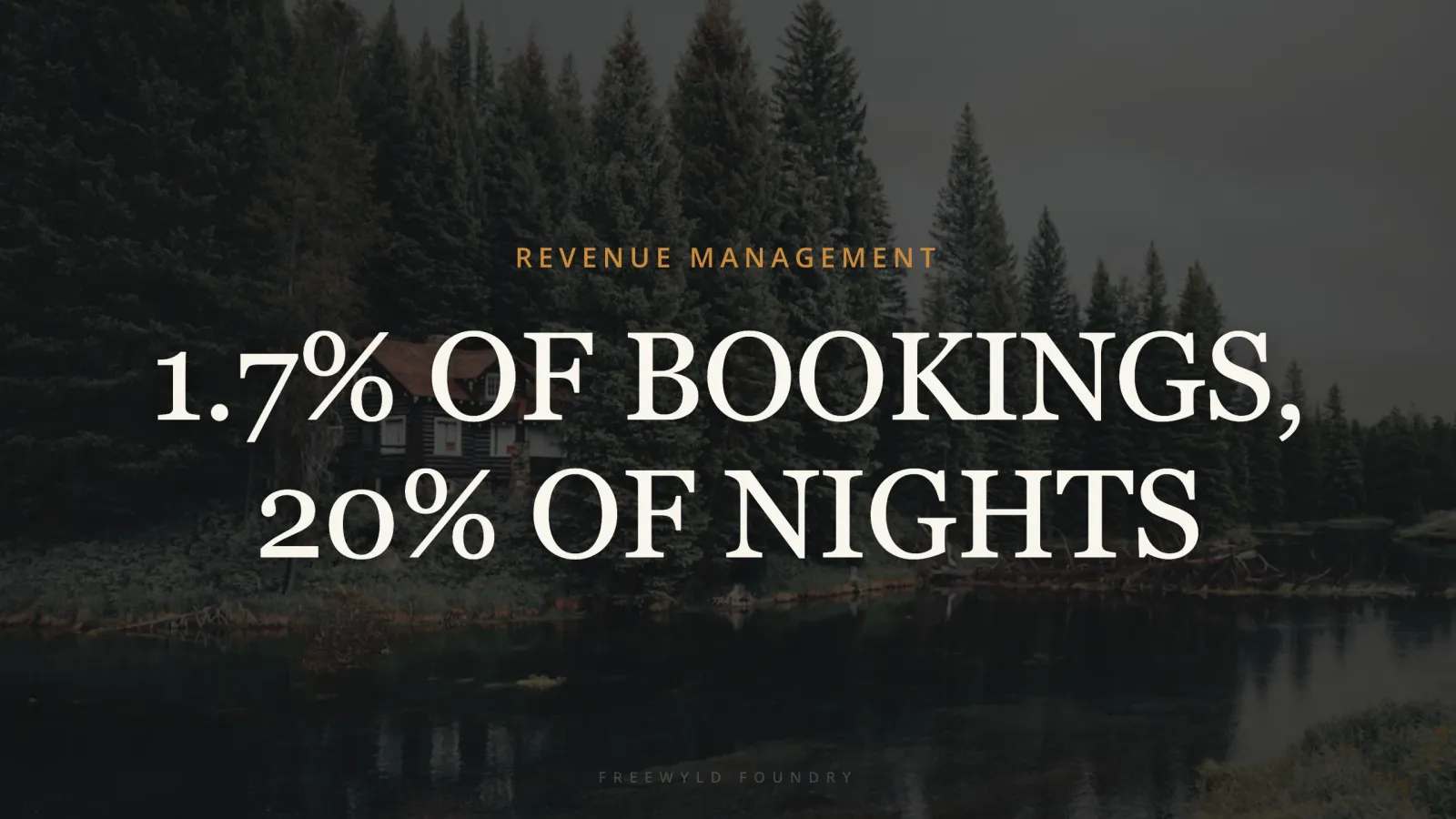
Midterm Rentals for STR Operators: The Data, the Math, and How to Start
Midterm rentals are already happening in most STR portfolios. 39% of short-term rental operators have received at least one 30+ night booking. Here is the data, the occupancy math, and how to be intentional about it without abandoning your short-term rental business.