Are Minimum Night Rules Costing You Thousands on Airbnb?

Want to outperform the market? Freewyld Foundry’s Revenue & Pricing Management service is driving an 18% performance lift for $1M+ STR operators, even in down markets. If you’re managing 10+ listings and want a free pricing audit, apply here: apply here
In this episode of Get Paid For Your Pad, Jasper Ribbers kicks off our new RevUp Series on revenue management, where we break down the exact strategies top 1% hosts use to maximize bookings and profits.
This week’s focus: Minimum Night Stay (MNS) settings, one of the three biggest levers in STR revenue that most operators overlook.
You’ll discover:
- The 3 reasons to restrict stays: operations, risk, and revenue optimization
- Why most hosts overestimate the risk of one-night bookings
- How hotels think differently about short stays (and what you can learn from them)
- The hidden benefits of one-night stays: reviews, visibility, and repeat guests
- When short stays can actually increase your ADR and platform exposure
We also talk about:
- Why flexibility often wins in Airbnb’s algorithm
- Real examples of operators who unlocked growth by testing one-night stays
- How to decide if your operations can handle shorter stays profitably
🎯 Mentioned in the Episode:
- Freewyld Foundry - Revenue Management for High-Growth STR Portfolios
- Free Revenue Report → freewyldfoundry.com/report
- Minimum Night Stay Mistakes Costing Airbnb Hosts Thousands Monthly
- 5 Revenue Management Mistakes Costing STR Operators Money (And How to Fix Them)
- The STR Pacing Playbook
🔥 Favorite Takeaway: “One-night stays aren’t just about the booking revenue. They drive reviews, boost visibility, and create repeat guests.”

The STR Pacing Playbook
A step-by-step guide to tracking and using pacing data to optimize your short-term rental pricing strategy.
Download Free GuideContinue Listening
Midterm Rentals with Frank Bosie: The Revenue Strategy Already Happening in Your Portfolio
Frank Bosie of Hostfully joins Jasper to break down the data behind midterm rentals, including why 39% of STR operators already have 30+ night bookings, how the occupancy math works, and when the hybrid approach beats a hard minimum-stay strategy.
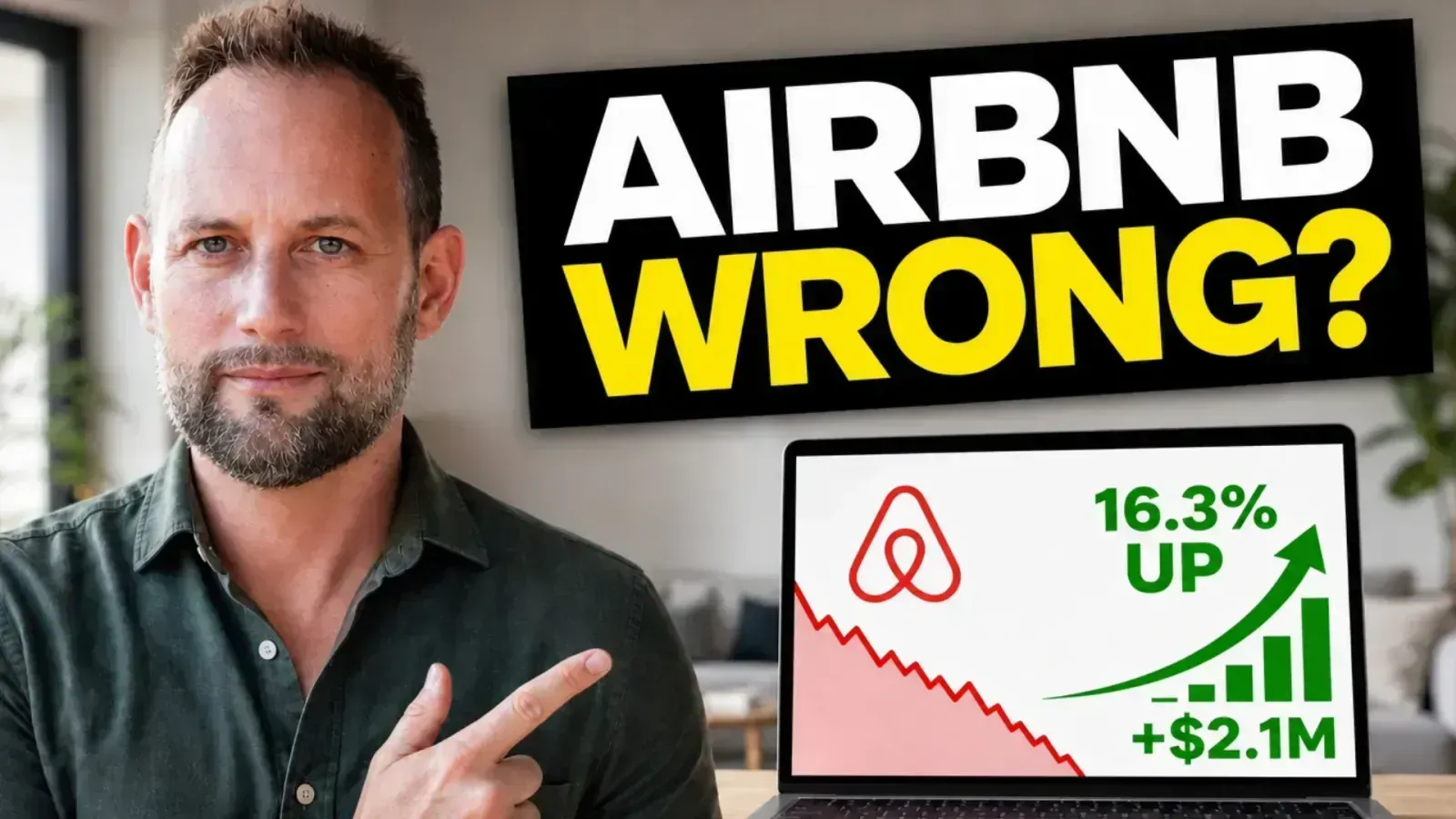
August 2026 STR Market Update: 16% Growth While the Market Declined 2.5%
Jasper shares the full August market update including July portfolio results (16.3% YoY growth vs. a 2.5% market decline, $2.1M in additional client revenue), the top winning and declining markets, the Labor Day weekend shift, Airbnb's AI pricing model and new mobile discount, VRBO sponsored listings, OTA discount stacking risk, and what operators should focus on heading into shoulder season and low season.

Secrets of a Pro STR Revenue Manager to Maximize Your Revenue
Jasper sits down with Patrick Morton, one of Freewyld Foundry's revenue managers, for an inside look at the pricing tactics, listing optimization moves, and team strategies that are moving the needle for STR operators every day.
**Jasper Ribbers:**Welcome back to Get Paid For Your Pad. Most hosts don’t
realize they’re making pricing mistakes that cost them thousands every month.
That’s why we’re starting a new revenue management series called RevUp,
where every Monday I’ll share insights from working with top 1% hosts who
generate at least one million dollars in bookings worldwide.
Today we are focusing on minimum night stay settings. Before we dive into the details, let me explain why this series matters. About 18 months ago, we launched our revenue management service. Since then, we’ve grown to managing close to 2,000 listings across 40 hosts. On top of that, hundreds of operators have gone through our free revenue report process, which gives us visibility into their pricing strategies. All this experience has shown us clear patterns about where hosts leave money on the table.
The three biggest areas are pacing, minimum night stays, and OTA discount strategies. Pacing tells you whether your prices are too high or too low based on when bookings come in. OTA discounts help boost conversion when used correctly. Minimum night stays determine availability, visibility, and ultimately your revenue.
So let’s start with a simple question: why do we even have minimum night stay settings? Why not allow guests to book a single night whenever they want? Hotels usually do. Apart from certain holidays like New Year’s or Christmas, hotels rarely restrict one-night stays.
There are three main reasons STR operators set restrictions:
Operations. Handling daily one-night turnovers can overwhelm your team. Cleaners may need to travel, and you may not have enough staff to support frequent turnovers.
Risk. One-night bookings are often associated with higher risk. Guests planning a party are more likely to book a single night.
Revenue optimization. Allowing a one-night stay during a key period might block longer, more profitable bookings.
Hotels don’t face these same challenges. They have in-house cleaners, centralized laundry, and security staff. They can handle short stays easily and focus solely on maximizing revenue.\
Now compare that to owning one large vacation rental. If someone books only Thanksgiving Day, you may lose out on a full week-long stay that could generate significantly more money. That’s why STR operators must carefully balance flexibility with protecting key dates.
Still, I believe most hosts overestimate the risks of one-night stays. Yes, sometimes they attract the wrong type of guest. But in practice, it’s rare. Many of the operators we work with allow one-night stays throughout the year without issues. And remember, guests can throw parties on two- or three-night bookings too. The risk is not eliminated by restricting single nights.
Instead of relying on fear or bad past experiences, base your decision on data. Often, the benefits outweigh the risks.
Here’s why one-night stays can be valuable:
Every booking increases your visibility on Airbnb and other OTAs.
More bookings generate more reviews, which directly improve rankings.
Each guest is a potential repeat customer who may return or recommend you.
Airbnb’s algorithm rewards flexibility, so your listings appear in more searches.
Shorter stays can sometimes command a higher nightly rate, which increases revenue.
Think about it from a marketing perspective. Companies regularly spend more to acquire a new customer than they make on the first purchase. Why? Because repeat customers are worth much more over time. A one-night booking can work the same way.
Another factor is the indirect value of each booking. Even if the immediate revenue seems small, you gain exposure, reviews, and future opportunities. For example, a guest who stays for one night might return for a longer trip later.
Airbnb’s algorithm strongly considers reviews and booking activity. Allowing one-night stays leads to more activity, which boosts your visibility across the platform. This can increase demand for both short and long stays.
Of course, you still need to evaluate operations. If your cleaners cannot handle frequent turnovers or you operate in a market with limited support, shorter stays may create challenges. But if your systems can manage it, one-night stays can be a significant growth lever.
Consider whether the risk is as high as you fear. Many operators avoid one-night bookings entirely because of a single bad experience. But when we look at data across hundreds of listings, the percentage of problem bookings is very low. And even if an incident happens, it may not be as damaging to the business as it feels emotionally.
There are also ways to mitigate risk:
Use noise monitoring devices.
Be clear in your listing and communication about house rules.
Screen bookings more carefully during high-risk periods.
From a pure revenue management perspective, the more flexible your availability, the more money you will make. Guests are often willing to pay a premium for shorter stays, especially when they want a special experience.
For example, a luxury hotel in Ibiza may charge one thousand dollars per night. A guest might not book a four-night stay for four thousand dollars, but they may book one night for a special occasion. That one-night stay creates access to an experience they otherwise could not afford. The same principle applies to short-term rentals.
So, to summarize:
Operations: Make sure your team can handle quick turnovers.
Risk: Understand the true level of risk instead of relying on fear.
Revenue optimization: Recognize that flexibility leads to more visibility, higher occupancy, and often higher nightly rates.
My recommendation is to avoid overly restrictive rules. Test one-night stays, monitor the results, and see how they affect your revenue and guest experience. In many cases, you will find that the benefits outweigh the downsides.
That wraps up today’s RefUp episode. Thanks for tuning in. If you want a free revenue report for your portfolio, visit freewyldfoundry.com/report. We will analyze your pricing strategy and show you exactly how to increase revenue.
See you next week.
Related Articles
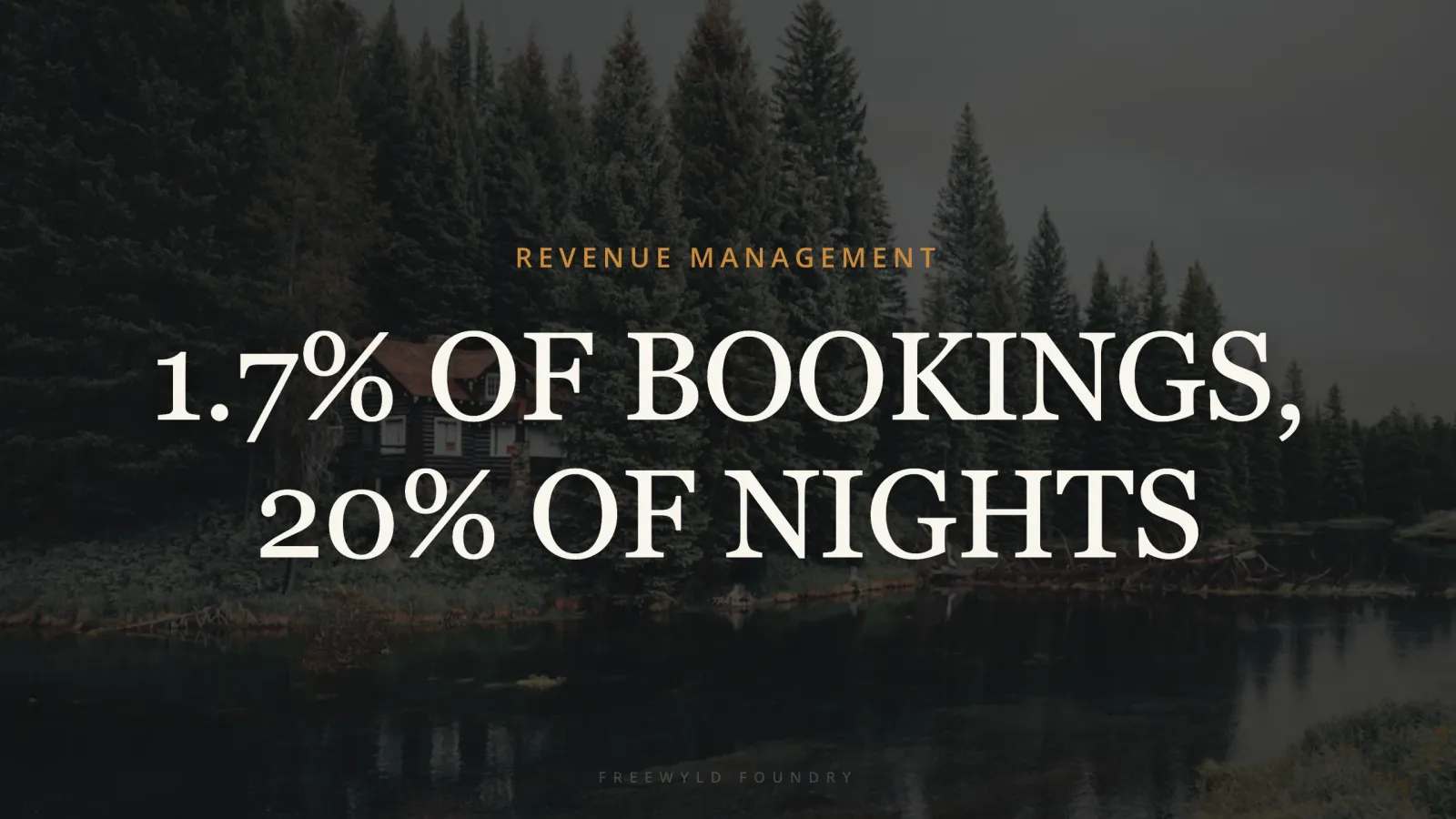
Midterm Rentals for STR Operators: The Data, the Math, and How to Start
Midterm rentals are already happening in most STR portfolios. 39% of short-term rental operators have received at least one 30+ night booking. Here is the data, the occupancy math, and how to be intentional about it without abandoning your short-term rental business.
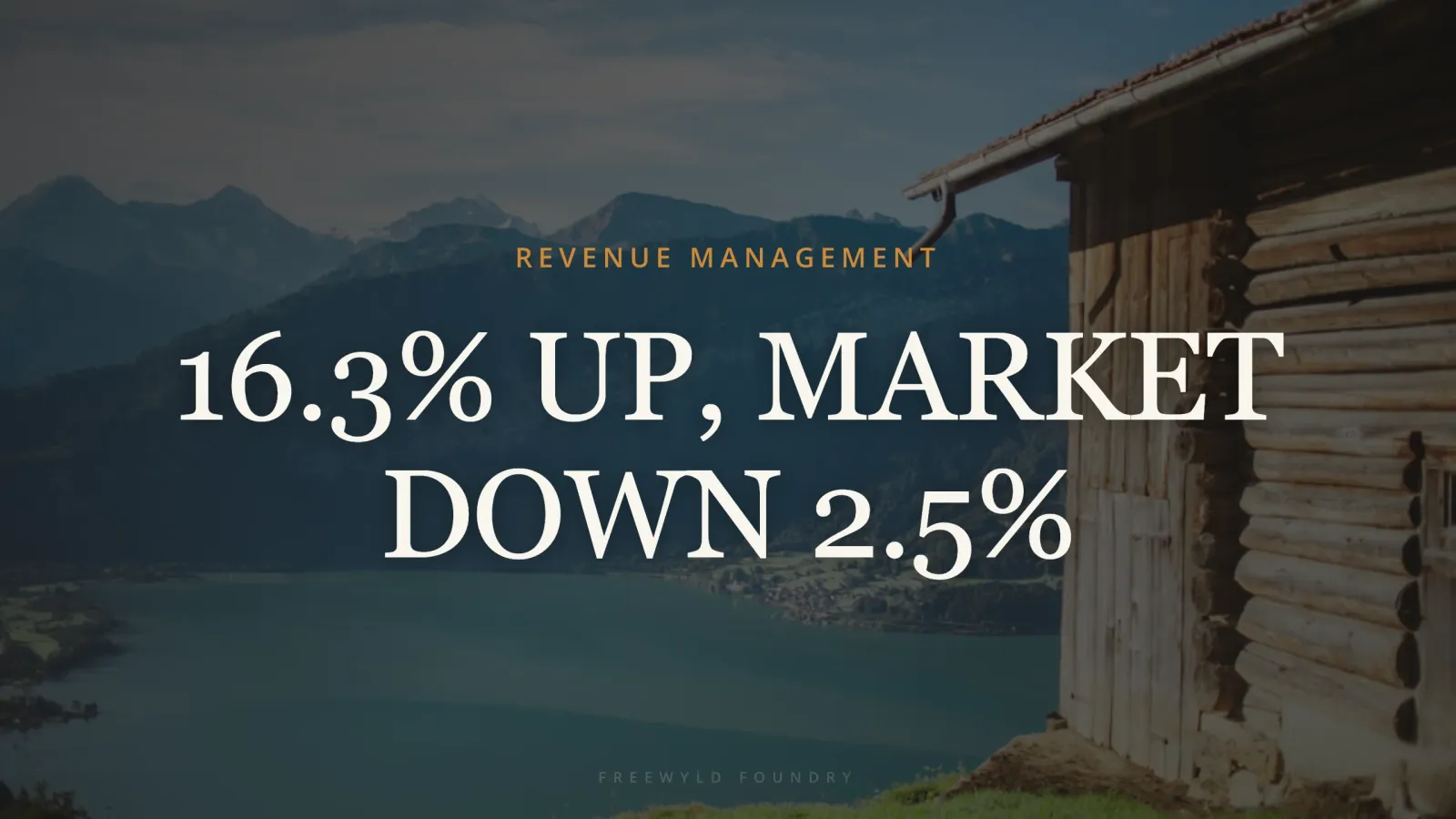
STR Market Update August 2026: 16.3% Growth While the Market Fell 2.5%
August 2026 was the highest-impact month in Freewyld Foundry history. Comparable client listings grew 16.3% year over year while the broader market fell 2.5%. Here is what drove that gap, which markets won and lost, what Airbnb and VRBO just changed, and what every STR operator should be doing right now heading into shoulder season.

How to Increase Airbnb Revenue: 5 Tactics From a Full-Time STR Revenue Manager
Most operators cap their prices, skip amenity audits, and discount when bookings slow down. A professional STR revenue manager does the opposite, and the results show it.